

Views: 0 Author: Site Editor Publish Time: 2025-10-03 Origin: Site
The jaw crusher is an essential piece of equipment in the mining and construction industries, playing a crucial role in the initial stages of material processing. It is designed to reduce large rocks into smaller, more manageable pieces, making it easier to handle and process. This article delves into the purpose of a jaw crusher, exploring its functionality, applications, and benefits. For those interested in learning more about rock crushers, visit our jaw crusher page.
A jaw crusher operates by using compressive force to break down materials. It consists of two plates, one stationary and one that moves back and forth. The material is fed into the top of the crusher and is crushed between the two plates as the movable plate exerts force on it. The crushed material is then discharged from the bottom of the crusher. This simple yet effective mechanism allows for the efficient reduction of hard and abrasive materials.
The main components of a jaw crusher include the fixed jaw, the movable jaw, the flywheel, the eccentric shaft, and the toggle plate. Each part plays a vital role in the crusher's operation. The fixed jaw provides a stable surface for the material to be crushed against, while the movable jaw applies the necessary force. The flywheel stores energy to ensure smooth operation, and the eccentric shaft converts rotational motion into the back-and-forth movement of the movable jaw. The toggle plate acts as a safety mechanism, preventing damage to the crusher in case of uncrushable material entering the chamber.
Jaw crushers are widely used in various industries due to their versatility and efficiency. In the mining industry, they are used for primary crushing of ore and other hard materials. In construction, they are employed to break down demolition waste and recycle concrete. The ability to handle a wide range of materials makes jaw crushers indispensable in these fields. Additionally, they are used in aggregate production, where they help produce the necessary materials for road construction and other infrastructure projects.
In the mining industry, jaw crushers are used to crush large rocks into smaller pieces, making it easier to extract valuable minerals. They are particularly effective in processing hard and abrasive materials, such as granite and basalt. The ability to handle large feed sizes and produce a consistent product size makes them ideal for mining operations. Furthermore, jaw crushers are often used in conjunction with other crushing equipment, such as cone crushers and impact crushers, to achieve the desired material size and shape.
In the construction industry, jaw crushers are used to process demolition waste, including concrete and asphalt. This allows for the recycling of materials, reducing the need for new raw materials and minimizing environmental impact. The crushed material can be reused in new construction projects, such as road base and foundation fill. Jaw crushers are also used in the production of aggregates, which are essential for the construction of roads, bridges, and buildings.
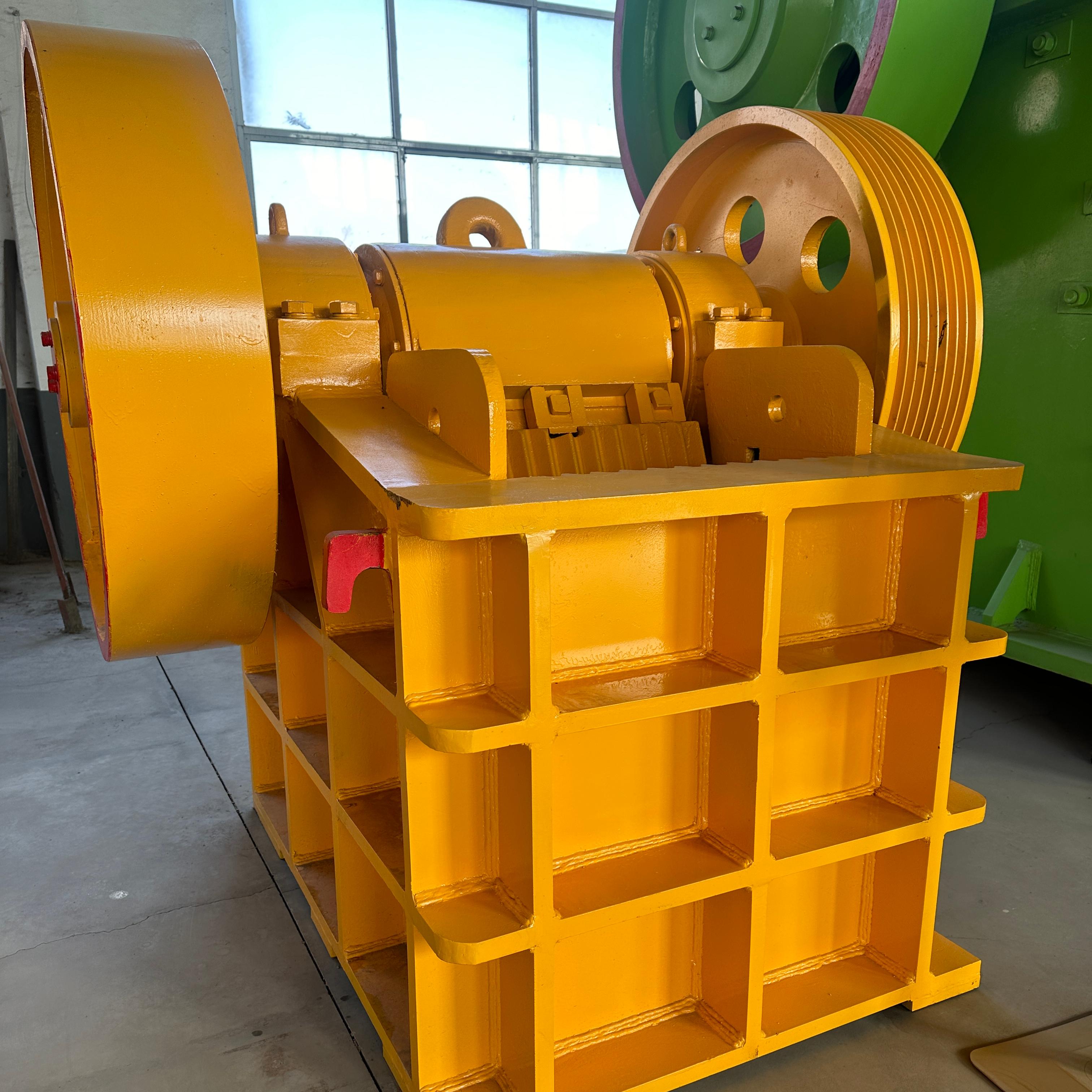
Jaw crushers offer several advantages over other types of crushing equipment. Their simple design and robust construction make them easy to operate and maintain. They are capable of handling a wide range of materials, from soft to extremely hard, and can produce a uniform product size. Additionally, jaw crushers are known for their high reduction ratios, meaning they can reduce large pieces of material to a smaller size in a single pass. This efficiency makes them a cost-effective solution for many crushing applications.
One of the key benefits of jaw crushers is their efficiency. They can process large amounts of material quickly, reducing the time and labor required for crushing operations. This efficiency translates to cost savings, as less energy and manpower are needed to achieve the desired results. Additionally, the high reduction ratios achieved by jaw crushers mean that fewer crushing stages are required, further reducing costs.
Jaw crushers are highly versatile and can be adapted to suit a wide range of applications. They can be used in stationary, portable, and mobile configurations, making them suitable for use in various environments. This adaptability allows them to be used in remote locations, where other types of crushing equipment may not be practical. Additionally, jaw crushers can be equipped with different types of liners and jaw plates to suit specific material characteristics, further enhancing their versatility.
While jaw crushers offer many benefits, there are also challenges and considerations to keep in mind. The initial cost of purchasing a jaw crusher can be high, and ongoing maintenance is required to ensure optimal performance. Additionally, jaw crushers can generate significant amounts of dust and noise, which may require additional measures to mitigate environmental impact. It is also important to consider the specific material characteristics and desired product size when selecting a jaw crusher, as these factors can affect performance and efficiency.
Regular maintenance is essential to keep a jaw crusher operating at peak efficiency. This includes routine inspections, lubrication of moving parts, and replacement of worn components. Proper training for operators is also important, as incorrect operation can lead to damage and reduced performance. By following manufacturer guidelines and implementing a regular maintenance schedule, the lifespan of a jaw crusher can be extended, and downtime minimized.
The environmental impact of jaw crushers is an important consideration, particularly in urban and residential areas. Dust and noise generated by crushing operations can affect air quality and noise levels, potentially impacting nearby communities. To mitigate these effects, dust suppression systems and noise barriers can be implemented. Additionally, selecting a jaw crusher with a lower environmental footprint, such as those with energy-efficient motors and reduced emissions, can help minimize impact.
In conclusion, the jaw crusher is a vital piece of equipment in the mining and construction industries, offering numerous benefits in terms of efficiency, versatility, and cost-effectiveness. Its ability to handle a wide range of materials and produce a consistent product size makes it an indispensable tool for many applications. However, it is important to consider the challenges and environmental impact associated with jaw crushers, and to implement proper maintenance and operation practices to ensure optimal performance. For more information on jaw crushers, visit our jaw crusher page.
1. What is the primary function of a jaw crusher?
The primary function of a jaw crusher is to reduce large rocks into smaller, more manageable pieces for further processing in mining and construction applications.
2. How does a jaw crusher work?
A jaw crusher works by using compressive force to break down materials. It consists of two plates, one stationary and one movable, that crush the material between them.
3. What industries commonly use jaw crushers?
Jaw crushers are commonly used in the mining and construction industries, as well as in aggregate production and recycling applications.
4. What are the benefits of using a jaw crusher?
Benefits of using a jaw crusher include efficiency, cost-effectiveness, versatility, and the ability to handle a wide range of materials.
5. What are some challenges associated with jaw crushers?
Challenges include the initial cost, maintenance requirements, and environmental impact such as dust and noise generation.
6. How can the environmental impact of jaw crushers be mitigated?
Environmental impact can be mitigated by implementing dust suppression systems, noise barriers, and selecting energy-efficient models.
7. What maintenance is required for a jaw crusher?
Maintenance includes routine inspections, lubrication, and replacement of worn components to ensure optimal performance and longevity.


