| Quantity: | |
|---|---|
Working Principle of the Primary Jaw Crusher
The working principle of the primary jaw crusher is fundamentally based on the mechanical compression and splitting of hard materials. It is widely utilized for the initial size reduction of granite, basalt, and other tough ores. The entire crushing process occurs within the crushing chamber, a specialized V-shaped space composed of two critical components: the fixed jaw plate and the movable jaw plate. Understanding this physical mechanism is essential for evaluating the equipment's operational stability and its suitability for specific material processing requirements.
The operation sequence initiates with the electric motor, which serves as the primary power source for the equipment. The electric motor drives the V-belt and the belt pulley, effectively transmitting rotational energy to the eccentric shaft. This eccentric shaft is a vital mechanical component designed to convert the continuous rotational movement into a precise cycle reciprocating motion. As the eccentric shaft rotates, it dictates the trajectory of the movable jaw plate, generating the essential mechanical force required to break down large granite blocks.
The actual size reduction occurs during the upward stroke of the mechanism. When the rotation of the eccentric shaft causes the movable jaw plate to rise, a specific geometric shift takes place. The angle between the toggle plate and the movable jaw becomes larger. This mechanical action physically pushes the movable jaw plate closer to the stationary fixed jaw plate. As the gap between the two jaw plates narrows, the granite trapped inside the crushing chamber is subjected to immense compressive and splitting forces. The material is effectively crushed, fractured, and broken down to achieve the primary purpose of crushing.
Conversely, the discharge phase occurs during the downward stroke. When the movable jaw plate goes down, the angle between the toggle plate and the movable jaw becomes smaller. During this phase, the movable jaw plate leaves the fixed jaw plate. This smooth retraction is safely facilitated under the action of the tie rod and the tension spring, which ensure the jaw assembly returns to its initial position. As the lower section of the crushing chamber opens up, the materials that have been crushed to a size smaller than the preset discharge opening are immediately discharged from the lower mouth of the crushing chamber.
Due to the V-shaped design of the chamber, the material which is located in the upper part of the crushing chamber and has not been crushed to a sufficiently small size then falls to the lower, narrower part of the crushing chamber under the influence of gravity. With the continuous rotation of the motor, the crusher jaws move periodically, executing the same compression and retraction strokes. The uncrushed material is crushed again by the subsequent action of the jaw plate. This continuous cycle of crushing and discharging materials ensures a steady workflow, thus achieving the purpose of continuous crushing for large-scale mining and quarrying operations.
When investing in a primary jaw crusher for granite crushing, operational reliability and long-term cost-effectiveness are the most critical factors for any quarry or mining project. Granite is known for its high hardness and abrasiveness, which demands a crushing solution capable of withstanding extreme wear and continuous heavy-duty operation. Our primary jaw crusher is engineered specifically to meet these demanding conditions. By focusing on structural integrity, operational efficiency, and maintenance convenience, this equipment delivers significant purchasing value and lowers the overall risk of your investment.
 |  |  |
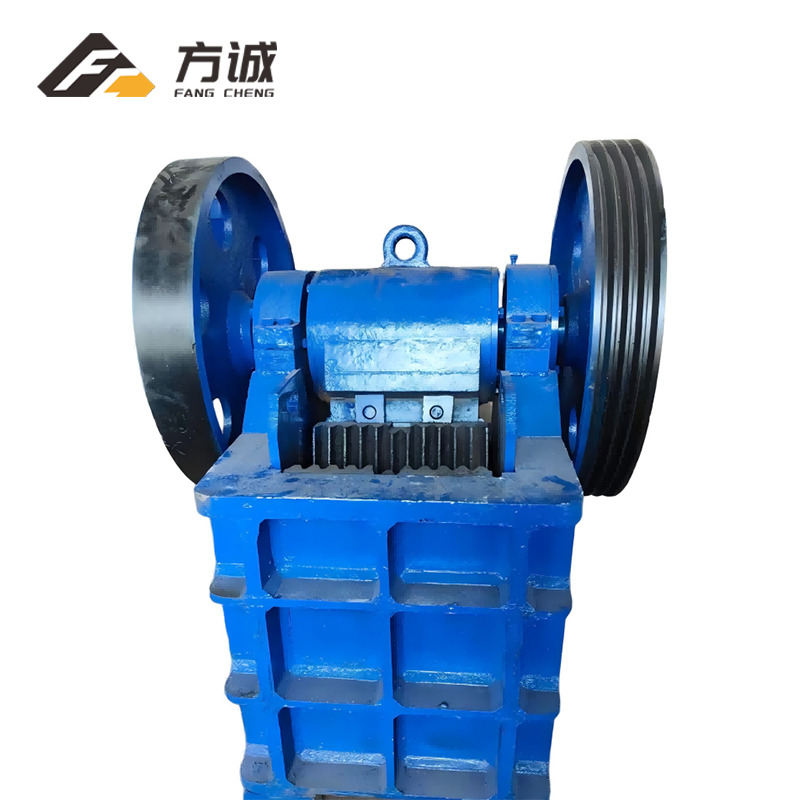
The visual details above highlight the core structural components of our jaw crusher, illustrating the rugged build designed for demanding granite processing applications.
In demanding mining and quarrying environments, complex machinery can often lead to extended downtime and higher labor costs. This primary jaw crusher features a highly optimized, simple, and efficient design that prioritizes ease of operation and maintenance. The accessible internal structure allows operators and maintenance teams to perform routine inspections, lubrication, and wear part replacements with minimal effort. By streamlining the discharge opening adjustment mechanism and simplifying the replacement process for the jaw plates, the equipment significantly reduces necessary maintenance time. This user-friendly approach ensures that unexpected breakdowns are minimized, operational uptime is maximized, and overall maintenance expenditures are kept strictly under control, directly contributing to higher project profitability.
Crushing hard materials like granite subjects the equipment to tremendous impact forces and continuous stress. To combat this, our jaw crusher is built with an exceptionally robust construction designed to deliver unparalleled operational stability. The core of this stability lies in the use of premium cast steel jaw plates and a forged heavy-duty eccentric shaft. These materials are specifically selected for their superior yield strength and resistance to fatigue. The heavy-duty frame is engineered to absorb and dissipate the massive crushing forces generated during the primary reduction of large granite boulders. This solid foundation not only minimizes harmful vibrations that can lead to structural fatigue but also ensures consistent, reliable performance even during continuous, high-capacity crushing operations. For procurement managers, this means investing in a durable asset that maintains structural integrity over years of rigorous use.
The bearings are arguably the most critical moving components in any primary crusher, bearing the brunt of the mechanical load. To guarantee a long service life and dependable performance, this jaw crusher incorporates a larger, heavy-duty eccentric bearing design. This enhanced load capacity allows the machine to effortlessly handle the severe, repetitive stresses associated with primary granite crushing. The oversized bearings are housed in precisely machined assemblies that protect them from dust, moisture, and debris, ensuring optimal lubrication and preventing premature failure. By distributing the crushing load more effectively across a larger surface area, the bearing design significantly reduces wear and tear. This translates to an extended operational lifespan for the core components, fewer requirements for costly spare parts, and a highly reliable crushing process that you can depend on for your most challenging projects.
Choosing the right primary jaw crusher is essential for establishing an efficient and profitable crushing circuit. The combination of a streamlined design, heavy-duty cast steel construction, and enhanced bearing capacity ensures that this crusher not only meets but exceeds the typical requirements for granite processing. Whether you are upgrading an existing facility or establishing a new quarry, these carefully engineered advantages provide the reliability, efficiency, and longevity necessary to achieve your production goals while minimizing total cost of ownership.
The following table provides comprehensive technical data for the PE and PEX series primary jaw crushers. Key specifications—including maximum feeding size, discharging range size, processing capacity, and motor power—are detailed below to assist in precise equipment selection for your specific granite crushing requirements.
Jaw Crusher | ||||||||
Model | Feeding Size | Max Feeding Size | Discharging Range Size | Capacity | Flywheel Speed | Motor Power | Weight | Dimension |
(mm) | (mm) | (mm) | (t/h) | (r/min) | (KW) | (t) | (mm) | |
PE-150*250 | 150*250 | 125 | 10-40 | 1-3 | 250 | 5.5 | 0.6 | 720*660*850 |
PE-200*300 | 200*300 | 180 | 15-50 | 2-6 | 260 | 7.5 | 1 | 910*750*990 |
PE-200*350 | 200*350 | 180 | 18-70 | 3-10 | 260 | 11 | 1.3 | 1000*870*990 |
PE-250*400 | 250*400 | 210 | 20-60 | 3-13 | 300 | 15 | 2.8 | 1300*1090*1270 |
PE-400*600 | 400*600 | 340 | 40-100 | 15-40 | 275 | 30 | 5.7 | 1730*1730*1630 |
PE-500*750 | 500*750 | 425 | 50-100 | 20-70 | 275 | 55 | 10.3 | 1980*2080*1870 |
PE-600*900 | 600*900 | 520 | 65-130 | 50-150 | 250 | 75 | 15.5 | 2290*2290*2400 |
PE-750*1060 | 750*1060 | 630 | 80-140 | 80-220 | 250 | 110 | 28 | 2660*2430*2800 |
PE-870*1060 | 870*1060 | 660 | 200-260 | 290-336 | 250 | 110 | 31.5 | 2810*2430*2800 |
PE-900*1060 | 900*1060 | 685 | 230-290 | 160-400 | 250 | 110 | 33 | 2870*2420*2940 |
PE-900*1200 | 900*1200 | 860 | 230-290 | 200-250 | 200 | 132 | 31 | 3380*2870*3330 |
PE-1000*1200 | 1000*1200 | 850 | 195-265 | 315-500 | 200 | 110 | 55 | 3480*3876*3330 |
PE-1200*1500 | 1200*1500 | 1100 | 350-360 | 250-400 | 180 | 160 | 51 | 4200*3300*3500 |
PEX-150*750 | 150*750 | 120 | 18-48 | 8-25 | 320 | 15 | 3.8 | 1200*1530*1060 |
PEX-250*750 | 250*750 | 210 | 25-60 | 13-35 | 330 | 30 | 5.5 | 1380*1750*1540 |
PEX-250*1000 | 250*1000 | 210 | 25-60 | 16-52 | 330 | 37 | 7 | 1560*1950*1390 |
PEX-250*1200 | 250*1200 | 210 | 25-60 | 20-61 | 330 | 45 | 8.5 | 2140*1660*1500 |
PEX-300*1300 | 300*1300 | 250 | 20-90 | 16-105 | 300 | 75 | 11 | 2720*1950*1600 |
The technical parameters provided are for reference only. Final product performance shall be subject to the official technical specifications. | ||||||||
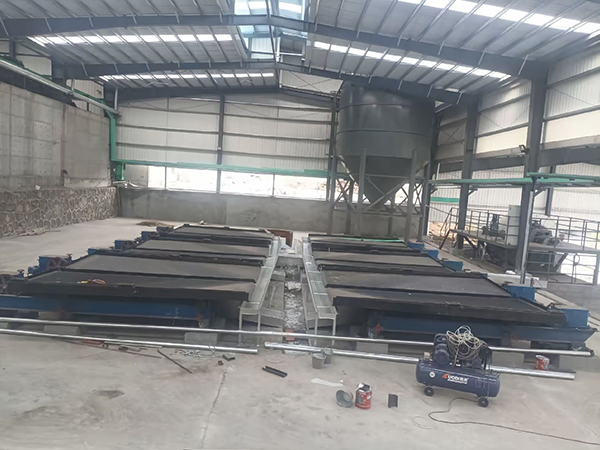
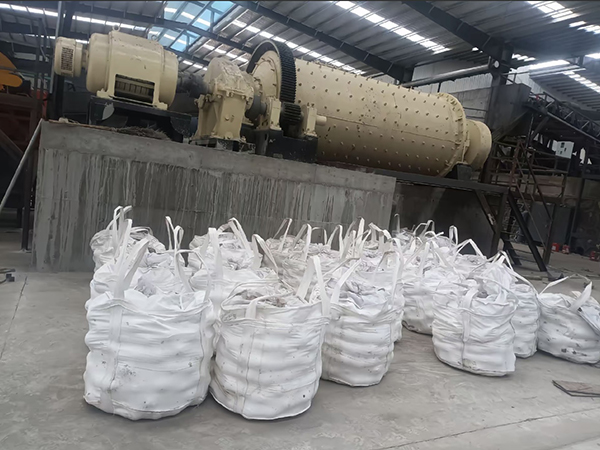
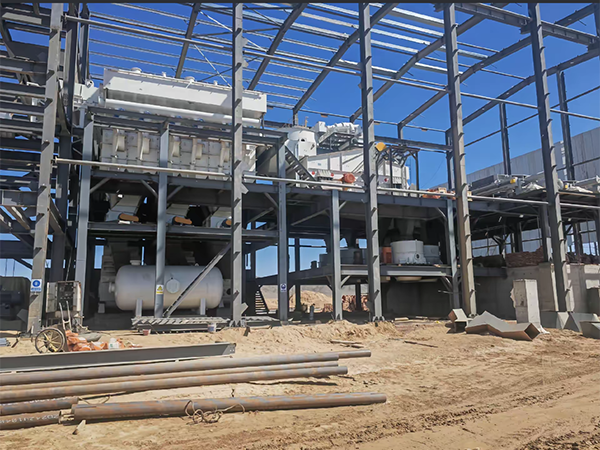
Our primary jaw crushers and complete ore processing solutions have been successfully deployed in numerous mining projects worldwide. Designed for high reliability and wide adaptability, our equipment consistently delivers robust crushing performance across diverse geological conditions. The following successful cases highlight our extensive practical experience in handling various ore types—including gold, chrome, tin, copper, and lithium—for global clients in South Africa, Zimbabwe, Brazil, and beyond.
 Rock Gold Mine - South Sudan |  Alluvial Gold Mines - Zimbabwe | 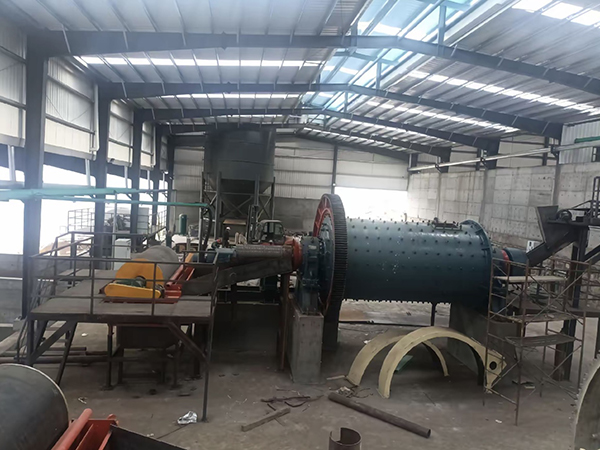 Chromite - South Africa |
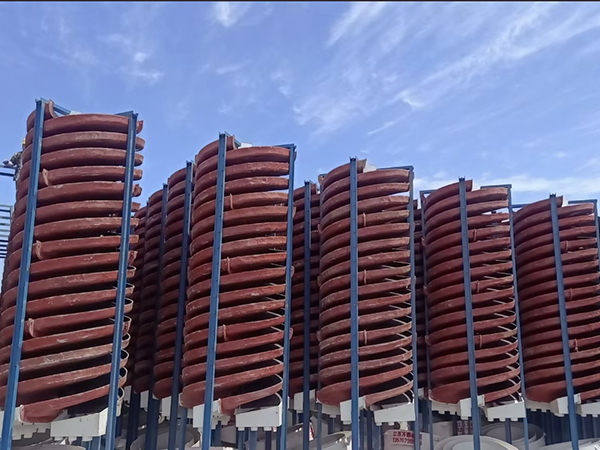 Alluvial Chrome Ore - Zimbabwe |  Alluvial Tin Mines - Bolivia | 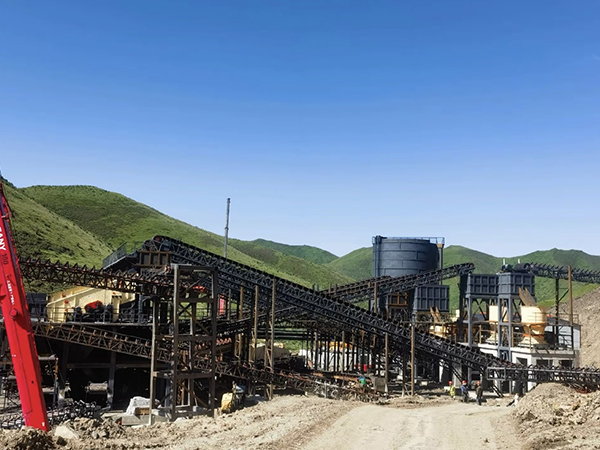 Rock Tin Mines - Indonesia |
 Copper Oxide - Russia | 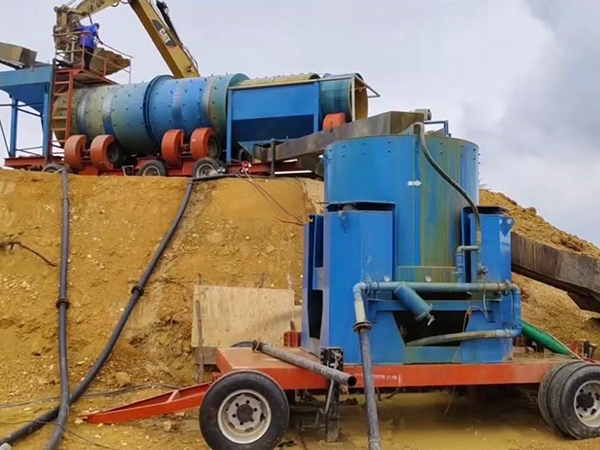 Tantalum Niobium Ore - Nigeria | 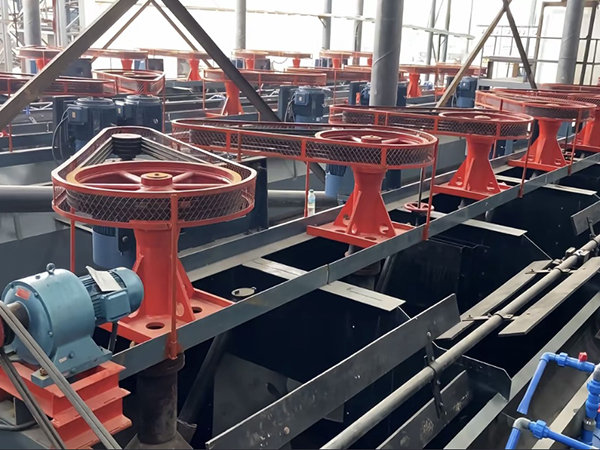 Lithium Mines - Brazil |
 Kaolin Mine - Uganda |  Lead Zinc Mine - Morocco | 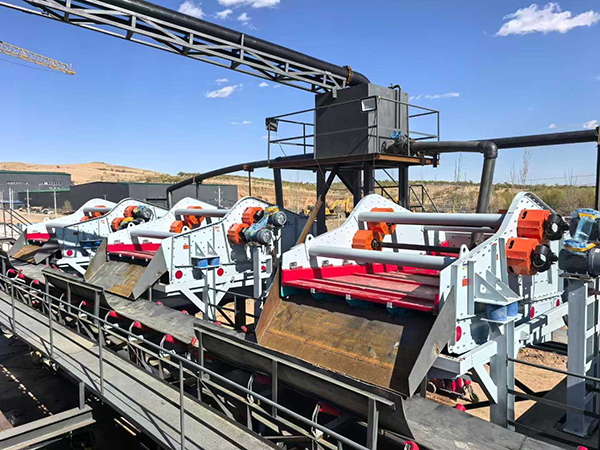 Manganese Ore - Kenya | 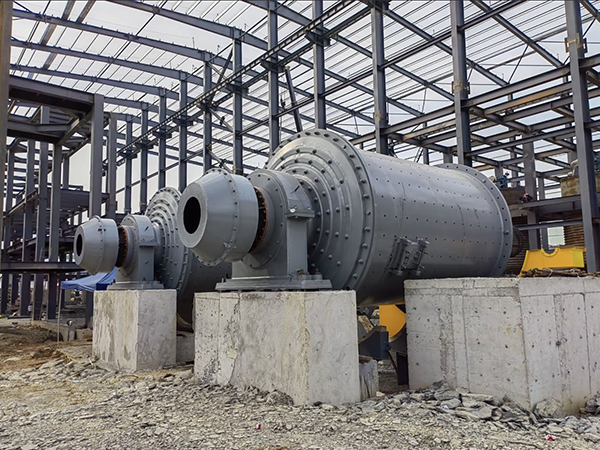 Hematite - South Africa |
Whether your project involves processing hard granite, abrasive quartz, or complex polymetallic ores, our proven track record across Africa, South America, and Asia demonstrates our capability to provide dependable crushing solutions tailored to specific project requirements. These real-world applications showcase our commitment to enhancing production efficiency and lowering operational risks for mining operations globally.
Q: How should I choose a primary jaw crusher based on material hardness?
A: The hardness of your feed material directly dictates the required crusher design. For softer to medium-hard materials like limestone, standard compact jaw crushers (such as the PE Series) are highly cost-effective and provide sufficient crushing force. However, for highly abrasive and hard rocks like granite, heavy-duty models (like the HD German-type) are strongly recommended. These heavy-duty models feature reinforced frames and optimized kinematics to handle extreme stress, ensuring higher crushing efficiency and extending the longevity of wear parts.
Q: How does the initial feed material size affect jaw crusher selection?
A: The feed size determines the necessary feed opening (inlet) dimensions of the crusher. If your project involves oversized or unevenly blasted materials, it is crucial to select a crusher with a wider inlet (such as the CJ Series) to prevent bridging and blockages in the crushing cavity. Additionally, implementing a pre-screening process (using a vibrating feeder with a grizzly section) can remove undersized fines before they enter the chamber, which significantly optimizes overall crushing performance and throughput.
Q: What are the key steps for selecting the right jaw crusher for my project?
A: To ensure you select the most suitable primary crusher, we recommend following these essential steps:
Identify Material Characteristics: Determine the material type (e.g., granite, limestone) and its maximum compressive strength (typically ≤320MPa for jaw crushers).
Determine Input Size: Measure the maximum size of your raw material to size the feed opening correctly.
Define Production Goals: Establish your target processing capacity (tons per hour) and the required output size (closed-side setting).
Match with Equipment Series: Evaluate your operational environment and budget to match with the optimal machine series (e.g., standard PE, heavy-duty HD, or large-inlet CJ Series) that aligns with your long-term production goals.
Q: What is the warranty period and what after-sales support do you provide?
A: We provide a standard 12-month warranty on our primary jaw crushers from the date of commissioning (excluding normal wear parts). To ensure your crushing plant operates smoothly over its lifespan, our comprehensive after-sales service includes:
Permanent Technical Support: Our engineering team is available for troubleshooting, operational guidance, and maintenance advice throughout the equipment's lifecycle.
Reliable Spare Parts Supply: We maintain a comprehensive inventory of essential wear and spare parts (such as jaw plates and toggle plates), which can be dispatched at any time to minimize your downtime and keep your production running.
Advantages
 |  | 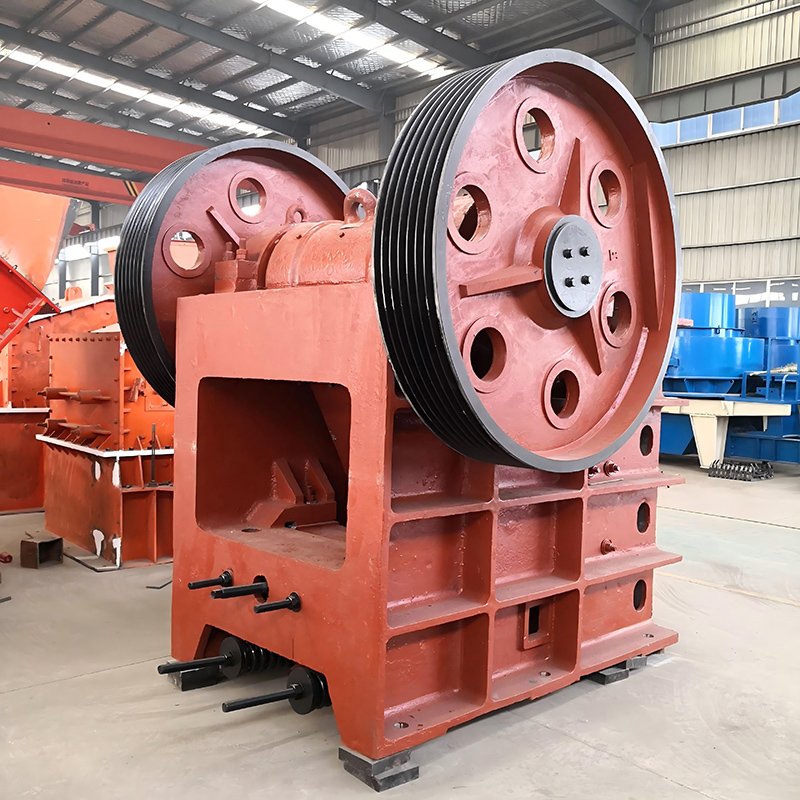 |
Simple & Efficient Design: Easy to operate and maintain, minimizing downtime for repairs.
Robust Construction for Stability: High-quality cast steel jaw plates and forged heavy-duty eccentric shaft ensure exceptional operational stability.
Enhanced Load Capacity: Larger, heavy-duty eccentric bearing design delivers superior load-bearing performance and extended service life.
Successful Cases
Rock Gold Mine - South Sudan |
Alluvial Gold Mines - Zimbabwe |
Chromite - South Africa |
Alluvial Chrome Ore - Zimbabwe |
Alluvial Tin Mines - Bolivia |
Rock Tin Mines - Indonesia |
Copper Oxide - Russia |
Tantalum Niobium Ore - Nigeria |
Lithium Mines - Brazil |
Kaolin Mine - Uganda |
Lead Zinc Mine - Morocco |
Manganese Ore - Kenya |
Hematite - South Africa |