Views: 0 Author: Site Editor Publish Time: 2026-07-29 Origin: Site
Every placer mining operation faces one primary frustration today. You process tons of raw material daily. Yet, you lose fine, flat, or flour gold to the tailings. This leakage happens right after the initial bulk wash. Such losses eat directly into your profit margins. Today, modern placer deposits rarely offer easy nuggets. The easily recoverable coarse gold is mostly gone. Secondary and tertiary concentration stages now define actual mine profitability. You cannot rely on primary washing alone to capture microscopic values. The shaking table steps in as a proven finishing tool. It serves as a highly specific gravity separator. It captures microscopic values missed by standard bulk equipment. We will explore how this machine bridges the efficiency gap. You will learn the physical mechanics driving its high-grade yield. Finally, we will show you how to integrate it properly. This ensures maximum recovery for your entire operation.
Targeted Efficiency: Shaking tables excel in fine gold separation, effectively recovering particles down to 400 mesh (37 microns) where standard gravity methods fail.
Circuit Placement: They are not bulk processors; they are finishing tools used downstream from a gold sluice or centrifugal concentrator to upgrade pre-concentrates into smeltable gold.
Verifiable Yield: Properly tuned tables can achieve a concentrate grade of up to 99%, drastically reducing the need for chemical processing (like amalgamation or cyanidation).
Operational Trade-offs: High precision comes with lower throughput and the need for consistent feed density and skilled operator tuning.
Traditional methods often leave valuable money on the ground. Operators typically rely on a traditional gold sluice for initial processing. This equipment handles primary volume reduction exceptionally well. It easily catches coarse nuggets and heavy particles. However, it possesses a severe limitation regarding small particles. Fluid dynamics inside the box create constant turbulence. This turbulence keeps ultra-fine particles suspended in the water flow. Consequently, the system loses significant amounts of -50 mesh gold. The water simply washes these tiny flakes away into the waste pile.
The business impact of this lost fine material is substantial. Losing 10 to 15 percent of your total yield severely impacts overall ROI. This holds especially true when you process low-grade deposits. Profit margins in modern mining remain incredibly tight. You spend heavy capital extracting and washing the ore. Letting precious fines escape to the tailings wastes your initial investment. Recovering this lost percentage often represents the difference between profit and failure. We see many operators struggle because they ignore their fine tailings losses.
Modern environmental and economic realities demand a better approach. Compliant placer gold recovery methods require a strict staged approach. You must move away from single-pass washing entirely. An effective circuit begins by washing bulk material. Next, the material enters a rougher concentration phase. Finally, the pre-concentrate moves to a cleaner concentration stage. Shaking tables operate exclusively in this final cleaner stage. They handle low volumes of highly upgraded material. This targeted approach ensures maximum extraction of your most valuable minerals.
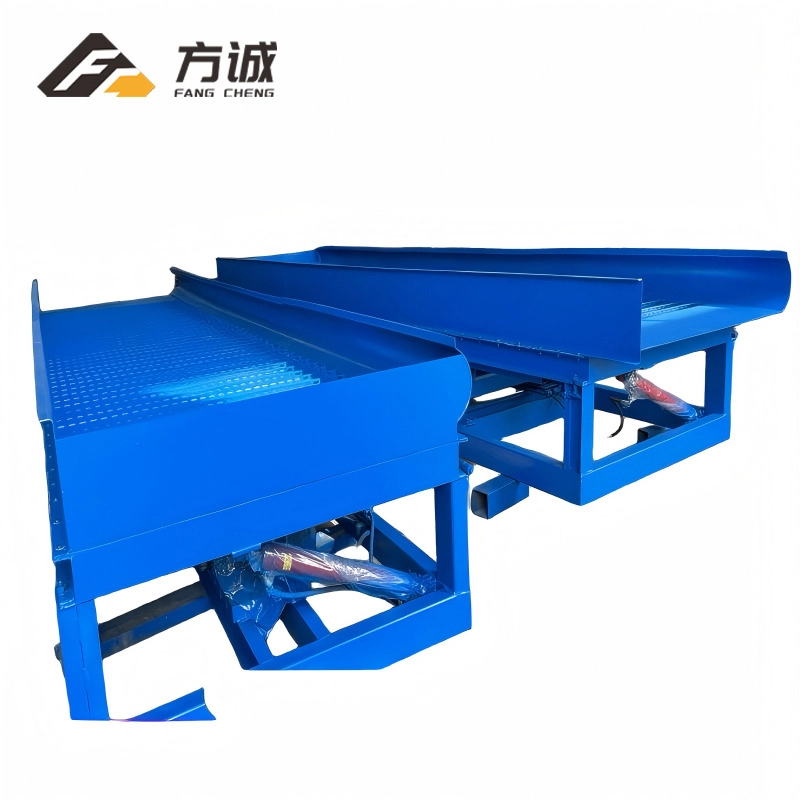
The shaking table exploits basic physical properties to separate minerals. It relies heavily on specific gravity differentials. Gold has a specific gravity of 19.3. Conversely, black sand and quartz range between 2.6 and 5.0. The table uses an asymmetric reciprocating stroke to move these particles. A motor pulls the deck slowly forward. Then, it snaps the deck rapidly backward. Heavy particles grip the deck surface during the fast return. Lighter waste particles lose their grip and wash away. This precise mechanical action defines effective fine gold separation.
Deck tilt and wash water introduce another layer of operational control. The surface features horizontal riffles varying in height. Wash water flows downward across these parallel riffles. The combination of tilt, water pressure, and riffles stratifies the material. Heavy metals settle behind the riffles and travel horizontally. Lighter sands wash over the riffles vertically. This action creates distinct, visible bands of material on the deck. Operators easily identify the pure concentrate band. They also clearly see a middlings band and a tailings band.
We must address actual performance realities regarding these finishing machines. Avoid believing exaggerated claims of perfect, 100-percent recovery. Yield improvement depends heavily on proper particle liberation. If quartz still encases the metal, gravity separation fails completely. You also need incredibly steady feed rates for optimal results. Surging the feed disrupts the fragile separation bands. Furthermore, precise water pressure control remains absolutely critical. Slight fluctuations in water flow can ruin the concentrate grade. Proper operation requires constant attention to detail and flow.
Placing this equipment correctly in your circuit maximizes its value. A shaking table requires classified, pre-concentrated feed to work properly. You should never feed raw, unclassified dirt onto the deck. It operates best receiving upgraded materials from upstream roughing equipment. Jigs and spirals provide excellent feed material. A gold concentrator also generates ideal pre-concentrates for final cleanup. Narrowing the particle size distribution before the table improves recovery significantly. This preparation prevents large rocks from disrupting the fine separation bands.
Handling the middlings band correctly protects your overall yield. The middlings consist of mixed ore and unliberated particles. This material is neither pure concentrate nor clean tailings. You must manage it deliberately to prevent avoidable losses. Routing middlings back into your grinding circuit ensures better liberation. Alternatively, recirculate them through an earlier concentration stage. This closed-loop approach captures values hidden inside larger particles. It directly improves the efficiency of your placer gold recovery operation.
This gravity-based method offers substantial environmental and compliance advantages. These units operate purely on gravity and clean water. They do not require harsh chemical reagents. Many modern operations use closed-loop recycled water systems. This drastically reduces overall water consumption on your site. More importantly, this mechanical approach aligns perfectly with strictly enforced environmental regulations. Zero-mercury mandates now govern most mining jurisdictions globally. Upgrading concentrates mechanically eliminates the need for toxic amalgamation processes.
Operators frequently compare shaking tables against other gravity separators. We should view these tools as complementary rather than strictly competitive. Each machine plays a specific role in a modern washing plant.
Centrifugal Concentrators: These machines offer excellent roughing capabilities. They handle high-throughput volumes efficiently. They excel at capturing extremely fine, unclassified material quickly. However, they possess certain limitations regarding final grade. They produce a lower-grade concentrate compared to a finishing table. Furthermore, most standard models operate strictly in batches. You must stop the machine to flush the concentrate.
Spiral Concentrators: These provide another viable option for intermediate concentration. They offer a low-cost, zero-power solution. Slurry flows down the spiral relying purely on gravity. They work exceptionally well for bulk volume reduction. However, spirals lack the delicate finishing precision of a shaking table. They cannot produce a smelt-ready final product.
We recommend adopting a hybrid decision framework for your plant. Do not view these machines as mutually exclusive options. Instead, sequence them logically based on their inherent strengths. Use a centrifuge for your primary high-volume roughing stage. Then, route that rough concentrate to a shaking table. The table performs the final precision upgrading. This combination delivers optimal efficiency and maximum final grade.
Equipment Type | Best Application | Primary Limitation | Power Requirement |
|---|---|---|---|
Centrifugal Concentrator | High-throughput roughing; capturing unclassified fines | Lower concentrate grade; usually operates in batches | High |
Spiral Concentrator | Low-cost intermediate concentration; bulk volume reduction | Lacks final finishing precision; cannot produce smeltable grade | Zero |
Shaking Table | Final upgrading; separating fine/flour gold | Low throughput capacity; requires steady feed density | Low to Moderate |
Selecting the correct size and deck type ensures operational success. You must match the deck surface to your target particle size. Manufacturers offer different riffle patterns designed for specific feed materials.
Coarse Sand Decks: Choose these for particle sizes between 0.5mm and 2mm. They feature deeper riffles to handle larger feed effectively.
Fine Sand Decks: These work best for material ranging from 0.074mm to 0.5mm. They offer balanced riffle spacing for standard sands.
Slime Decks: Select this option for particles smaller than 0.074mm. They capture very fine flour gold using shallow, tightly spaced riffles.
You must also balance capacity against your available plant footprint. Laboratory-scale tables process very small volumes. They handle between 100 and 200 kilograms per hour. Prospectors and small cleanup rooms favor these compact units. Industrial full-size tables process much heavier loads. They manage 1 to 2 tons per hour. Commercial operations utilize multiple full-size tables in parallel. Consider your daily throughput needs before purchasing a shaking table.
Operators must mitigate several implementation risks when installing these units. These tables require an absolutely vibration-free foundation. External vibrations destroy the delicate separation bands on the deck. You must pour a dedicated concrete pad for secure installation. Additionally, you need a highly consistent, clean water supply. Debris in the wash water clogs the distribution bar immediately. Finally, you need a highly skilled operator. Someone must visually read the bands and adjust the tilt continuously.
Maximizing your yield relies on choosing the right equipment. You must deploy specific tools at the correct operational stage. Primary washers handle bulk dirt effectively. However, they fail to capture microscopic precious metals reliably. The shaking table remains the definitive solution. It delivers unmatched precision for the final upgrading of fine particles. It transforms low-grade pre-concentrates into a highly valuable, smeltable product.
We encourage operators to evaluate their current tailings loss actively. Do not assume your primary equipment catches everything. Consider arranging a laboratory metallurgical test for your specific ore. Alternatively, schedule a comprehensive flow sheet audit. These actionable steps will clearly determine if upgrading your finishing circuit makes sense. Precise gravity separation often delivers a highly positive ROI. Take action today to stop losing your most valuable fines.
A: No. Sluices handle high-volume primary washing. They process massive amounts of raw dirt quickly. Tables operate strictly as low-volume, high-precision finishing tools. You should use a sluice first to reduce the bulk material. Then, feed the resulting concentrate to the table for final cleanup. They serve completely different purposes in the circuit.
A: Water requirements vary based on the specific material and feed rate. As a general benchmark, expect to use 0.5 to 2 tons of water per ton of ore processed. However, many modern operations utilize closed-loop recycling systems. These systems capture, clarify, and pump the water back, which drastically mitigates overall consumption.
A: The maximum feed size is typically capped at 2mm to 3mm. You must screen out coarser material beforehand. Large rocks and pebbles disrupt the smooth flow of fine particles across the deck. They damage the riffles and ruin the precise separation bands needed to capture microscopic flour gold.