Views: 0 Author: Site Editor Publish Time: 2026-09-22 Origin: Site
High-clay alluvial tin deposits present a severe metallurgical challenge for operators worldwide. Without proper washing and desliming, sticky clay causes rapid screen blinding. It prevents specific gravity differentials from functioning correctly. This leads to significant cassiterite loss directly into the tailings pond. For plant managers and mining investors evaluating major capital expenditures, generic gold or sand-washing setups fall short. They remain entirely insufficient for processing high-grade, clay-bound tin ore. Selecting the right alluvial tin mining equipment requires a strict focus on heavy-duty scrubbing capabilities. You must pair aggressive mechanical agitation a multi-stage gravity separation circuit. This specific configuration ensures baseline profitability. It maximizes recovery rates and maintains strict environmental compliance. In this comprehensive article, you will learn exactly how to design a high-efficiency processing plant. We explore proven desliming mechanics, ideal equipment sequencing, and the vital role of upfront sample testing to guarantee operational success.
Effective processing of high-clay alluvial tin mandates a two-phase approach: aggressive mechanical scrubbing (desliming) followed by staged gravity concentration.
Heavy-duty rotary trommel scrubbers are non-negotiable for breaking down sticky clays before the slurry enters the sizing and recovery stages.
A maximized recovery circuit routes deslimed ore through a specific sequence of tin gravity separation equipment: jigs for coarse ore, spirals for mid-range, and shaking tables for fine upgrading.
Pre-purchase metallurgical sample testing is the most reliable method to validate equipment choice, size circuits accurately, and mitigate CapEx risks.
Cohesive clays act as a powerful binding agent in alluvial deposits. They trap dense cassiterite particles securely within sticky mud balls. Electrostatic forces and high plasticity make these aggregates incredibly difficult to break apart. If processing systems fail to dissolve these clumps, disaster strikes. The valuable heavy minerals travel straight out to the tailings discharge. You lose revenue immediately. Plant profitability drops below baseline thresholds rapidly.
Standard trommel screens cannot handle high plasticity clay. They cause severe operational headaches daily. Screens blind rapidly as mud packs into the mesh apertures. Slurry surges unpredictably through the plant feed lines. Operators face increased maintenance downtime constantly. Maintenance teams must stop production frequently. They manually clear jammed screens using high-pressure water hoses. This tedious work destroys plant uptime. It wreaks havoc on daily production targets and strains labor resources.
Geological surveys often highlight extreme variability in alluvial tin deposits. Clay plasticity changes dramatically from one pit section to another. Seasonal rains also alter moisture content drastically. Gravel sizing fluctuates without warning during excavation. Your processing plant must handle peak-clay scenarios flawlessly. Generic equipment bottlenecks throughput during heavy clay zones. Ignoring this geological variability leads to massive financial losses. We highly recommend over-sizing the primary washing stage slightly. This accommodates unexpected clay surges safely.
You cannot process clay-bound tin using standard vibrating screens. Standard screens fail because they lack necessary retention time. Cohesive clays require aggressive physical agitation to dissolve fully. Heavy-duty rotary trommel scrubbers provide the perfect mechanical solution. They feature robust internal lifter bars. These steel bars lift and drop the raw ore repeatedly inside the revolving drum. High-pressure water spray bars simultaneously blast the tumbling material. This violent cascading action breaks up stubborn clay balls effectively. It liberates the trapped cassiterite particles for downstream recovery.
Evaluating scrubber specifications requires meticulous attention to detail. Consider the following crucial metrics before purchasing:
Drum Retention Time: Longer drums provide more soaking and tumbling time for highly plastic clays.
Motor Torque: Heavy loads require high torque drives (gear or chain) to prevent stalling.
Shell Thickness: Thicker steel shells withstand the impact of large boulders better.
Screen Panel Material: Polyurethane panels resist abrasive wear much longer than standard woven wire.
Removing fine slimes (-0.074mm or 200 mesh) improves downstream recovery efficiency drastically. Slimes increase slurry viscosity significantly. High viscosity stops heavy cassiterite from settling during gravity concentration. You must remove this fine mud early in the circuit. Proper desliming transforms a sluggish slurry into a highly treatable feed.
Slime management also involves strict environmental compliance. Regulatory discharge limits require clear wash water globally. Closed-circuit water management systems handle this regulatory issue effectively. They manage turbidity efficiently using advanced settling techniques. You can recycle clean water back to the primary scrubber spray bars. This smart loop reduces fresh water draw immensely.
A maximized recovery circuit relies on highly specific sizing stages. After aggressive desliming, you must route the clean ore efficiently. Staged gravity concentrators form the productive heart of the plant. They process different particle sizes separately to maximize overall yield.
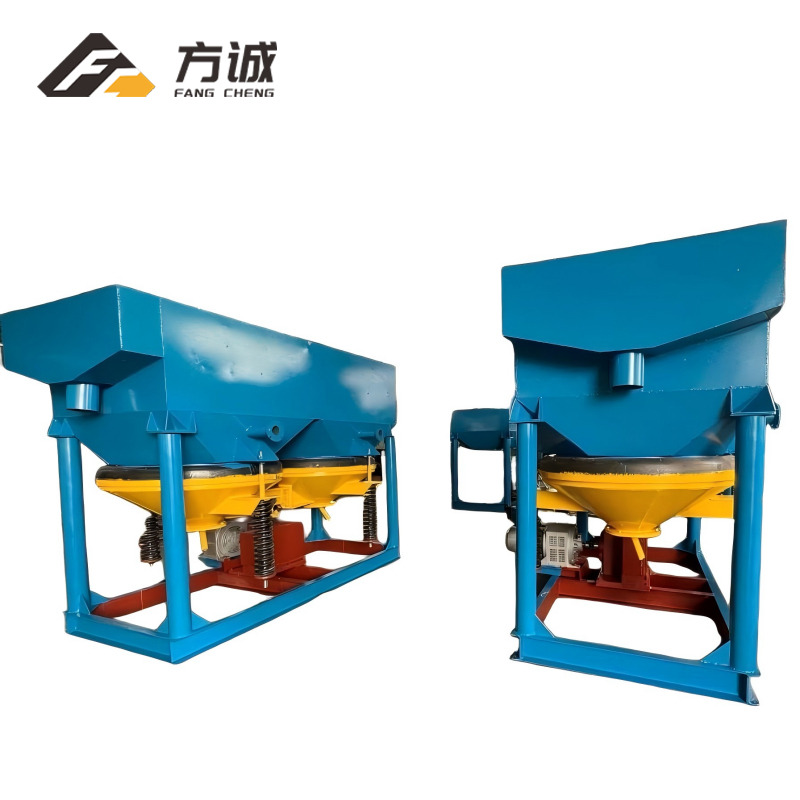
The coarse fraction requires immediate processing post-screening. A tin ore jig concentrator handles particles ranging from 2mm to 10mm perfectly. It utilizes vertical water pulsations to separate minerals by density. The sawtooth wave pulsation curve stratifies the bed efficiently. Heavy cassiterite sinks through the ragging layer. It captures the bulk of heavy minerals early in the flow. This vital step prevents unnecessary over-grinding. It also protects downstream equipment from severe overload.
When evaluating jigs, inspect the adjustable stroke frequency mechanisms. Review the stroke amplitude settings carefully. Look for reliable automated hutch valve discharge systems. Assess rubber diaphragm durability under continuous heavy load. A well-tuned jig recovers substantial tin volume rapidly. It operates at a remarkably low cost per ton processed.
Finer particles often bypass the coarse primary jig stage. You need a dedicated separation solution for these smaller fractions. Fractions between 0.1mm and 2mm require different fluid dynamics. The tin ore spiral chute excels in this specific size range. It utilizes centrifugal force and wash water to separate materials. It operates as a highly efficient bulk rougher. Heavy tin rides the inner profile, while lighter silica washes outward.
Spirals offer excellent plant footprint efficiency. They lack moving mechanical parts completely. This simple design significantly reduces ongoing operational expenses. Focus heavily on fiberglass and polyurethane wear resistance when selecting units. Superior wear linings ensure long-term performance. They handle abrasive cassiterite slurry flawlessly for years.
Achieving a premium saleable concentrate grade requires precision mechanical cleaning. The tin ore shaking table serves as the definitive final unit. It cleans pre-concentrates from the jigs and spirals effectively. It recovers ultra-fine tin down to 0.03mm with exceptional accuracy. The asymmetric motion moves heavy particles along the riffles horizontally. Wash water flushes light gangue downward.
Buyers must evaluate the table deck material carefully. Rifled fiberglass decks offer excellent fine recovery rates. Inspect the asymmetric stroke mechanics closely. Monitor fresh water consumption levels during operation. A properly configured shaking table consistently delivers outstanding results. It routinely produces final concentrate grades exceeding 60% Sn.
Scaling an alluvial tin plant requires strategic engineering planning. Assess whether equipment vendors offer skid-mounted or modular units. Modular structural systems allow mining operations to scale smoothly. You can expand processing throughput from 50 TPH to over 200 TPH effortlessly. Plant expansion aligns directly as the mine capacity grows. Containerized structural frames speed up site installation immensely. This modularity prevents massive upfront over-capitalization.
Tin ore remains notoriously abrasive in nature. High silica gravel content destroys standard mild steel rapidly. You must prioritize exceptional wear resistance across the plant. Specify heavy-duty rubber-lined slurry pumps. Install durable polyurethane screen panels on all vibrating equipment. Ensure consumable replacement parts remain easily sourced globally. Long-lasting components reduce maintenance frequency drastically. They boost total operational uptime significantly. By focusing on durability, operators maintain steady cash flow.
Remote jungle or desert locations pose massive infrastructure challenges. Equipment must maximize overall power and water efficiency. Modern processing plants utilize hydrocyclones and thickeners extensively. These internal components recycle process water highly efficiently. Deep cone thickeners capture overflowing slimes and return clear water. Equipment must also operate reliably within strict diesel generator power constraints. Energy-efficient motors keep fuel consumption low.
Equipment Type | Target Particle Size | Primary Function | Key Procurement Metrics |
|---|---|---|---|
Trommel Scrubber | > 10mm (Desliming) | Breaks clay matrix, washes ore | Retention time, motor torque, shell wear linings |
Jig Concentrator | 2mm to 10mm | Coarse bulk gravity concentration | Stroke adjustment, hutch valves, diaphragm quality |
Spiral Chute | 0.1mm to 2mm | Mid-range scavenging / roughing | Footprint efficiency, polyurethane coating thickness |
Shaking Table | 0.03mm to 2mm | Final upgrading and cleaning | Deck material, asymmetric stroke, water control |
Never purchase major mining equipment based solely on theoretical capacity. Theoretical capacity numbers rarely match high-clay deposit realities. Reputable machinery manufacturers require a representative raw ore sample. They analyze this bulk sample before finalizing any process flowsheets. This scientific approach establishes a baseline for absolute trust. It prevents costly engineering mistakes.
Verified laboratory testing eliminates process guesswork entirely. Following a highly structured testing workflow guarantees accurate equipment sizing. The standard procedure includes three major phases:
Phase 1: Sieve Analysis and Clay Washability Tests. Metallurgical engineers determine clay plasticity precisely. They measure the exact mechanical energy required to break down the mud matrix. They classify the particle size distribution accurately.
Phase 2: Pilot-Scale Gravity Separation Testing. Technicians run the newly deslimed ore through scaled pilot equipment. They test jigs, spirals, and shaking tables systematically. They establish reliable baseline recovery curves for each specific size fraction.
Phase 3: Flowsheet Optimization and Expected Recovery Guarantees. System designers configure the final integrated equipment sequence. They balance the water and mass flow rates perfectly. They provide documented expected recovery guarantees. These guarantees rely entirely on empirical laboratory data.
Verified lab data transforms capital procurement completely. It shifts equipment buying from a speculative gamble. It becomes a calculated, data-driven return-on-investment decision. You gain absolute confidence in your plant design.
Handling high-clay alluvial tin does not involve a single magic machine. True operational success requires integrating a robust rotary trommel scrubber. You must sequence this scrubber with properly sized downstream components. A well-designed jig, spiral, and shaking table circuit remains essential. This multi-stage process maximizes both mineral recovery and baseline profitability. It handles the toughest clay deposits efficiently.
Project decision-makers must prioritize reliable manufacturing vendors. Look for technical partners who offer highly transparent metallurgical testing. Choose bespoke engineering flowsheet designs over generic off-the-shelf equipment sales. Generic setups often fail under heavy clay loads. Secure your mining investment intelligently today. Request a comprehensive sample testing protocol. Schedule a detailed engineering consultation to optimize your future plant performance.
A: No. Standard trommel screens lack the retention time and agitation required to break up cohesive clays, leading to screen blinding and tin loss. A rotary trommel scrubber is required.
A: Jig concentrators are generally most effective for coarse alluvial tin particles ranging from 2mm to 15mm, though fine jigs can process down to roughly 0.5mm.
A: Modern plants utilize dewatering screens, hydrocyclones, and deep cone thickeners to recover and recycle up to 85% of process water, reducing fresh water draw and ensuring compliance with environmental discharge regulations.
A: Shaking tables have lower throughput capacities compared to jigs and spirals but offer the highest concentration ratios. They are used to clean the pre-concentrated rougher product to achieve the final high-grade saleable tin concentrate.