| Quantity: | |
|---|---|
The lab roll ball mill operates on a fundamental mechanical principle designed to achieve efficient size reduction of ore samples and other materials. During the operation of the equipment, the primary physical processes involve the dynamic interaction between the rotating drum, the grinding media (typically steel or ceramic balls), and the material being processed. The core objective of this mechanism is to transfer kinetic energy from the rotating drum to the grinding media, which in turn applies mechanical stress to the ore particles, causing them to fracture and break down into finer powders.
As the cylindrical drum of the lab roll ball mill begins to rotate, it generates centrifugal forces and friction along its inner lining. The grinding media and the materials inside the drum rotate synchronously with the drum body. Due to the frictional grip against the inner wall and the centrifugal force exerted by the rotation, the mixture of balls and ore particles is lifted upward along the circular path of the drum. The rotational speed is carefully controlled so that it remains below the critical speed—the point at which centrifugal force would pin the media to the wall completely. By maintaining an optimal operational speed, the equipment ensures that the media is lifted to a specific height before the force of gravity overcomes the centrifugal lift.
Once the grinding media and the ore samples are lifted to a certain height within the rotating drum, gravity takes over. At this precise point of release, the media and materials detach from the drum wall and fall back down in a distinct parabolic trajectory. This continuous cascading and cataracting motion is the critical phase of the grinding process. The parabolic fall ensures that the heavy grinding balls gain sufficient potential energy, which is rapidly converted into kinetic energy as they accelerate downward. This gravity-driven descent directs the grinding media to strike the toe of the charge (the material gathered at the bottom of the drum) with maximum force, initiating the primary stage of particle size reduction.
The actual crushing and grinding of the materials occur through a combination of complex mechanical actions when the grinding media lands. The materials are crushed under the intense impact of the falling balls, which effectively shatters larger ore particles into smaller fragments. In addition to this direct impact, the grinding media continuously rolls and tumbles over each other and against the inner wall of the drum. This rolling and sliding action traps the smaller ore particles between the heavy balls, subjecting them to continuous compressive stresses. The dynamic environment inside the drum ensures that every particle is repeatedly exposed to these mechanical forces, leading to a consistent and uniform reduction in particle size.
Beyond the primary impact, the continuous rolling and sliding actions of the grinding media generate significant friction and shear forces. As the balls move past one another and slide against the drum's surface, they create a highly abrasive environment. The shear forces act on the surface of the ore particles, stripping away outer layers and grinding them down into fine powders. This attrition grinding is particularly effective for achieving ultra-fine particle sizes required in precise laboratory testing and metallurgical analysis. The combination of high-energy impact for coarse crushing and sustained friction and shear for fine grinding makes this mechanical process highly efficient for various ore grinding tests.
The accompanying video provides a clear visual demonstration of these physical kinematics, illustrating how the rotational speed, media trajectory, and resulting mechanical forces work together to achieve optimal grinding performance in laboratory settings.
When selecting sample preparation equipment for metallurgical testing and mineral research, efficiency, reliability, and versatility are critical. The Lab Roll Ball Mill is engineered to deliver superior grinding performance, offering distinct operational advantages that streamline laboratory workflows and ensure precise, repeatable results for demanding applications.
 |  |  |
Simultaneous Multi-Jar Operation for High Throughput: Designed to accommodate multiple grinding jars simultaneously, this equipment allows operators to process several different ore samples at once. This multi-sample capability significantly increases laboratory throughput and ensures that comparative tests are conducted under identical environmental and mechanical conditions, reducing testing variables and saving valuable processing time.
Flexible Operation Modes and Precise Time Control: The mill supports both intermittent and continuous operation modes, providing the flexibility needed for various material characteristics. With fully adjustable grinding time settings, laboratory technicians can precisely control the grinding duration. This prevents over-grinding or under-grinding, ensuring an optimal and consistent particle size distribution for rigorous scientific analysis.
High Crushing Efficiency for Fine Grinding: Engineered specifically for the fine grinding of hard ores and minerals, the unit delivers exceptional crushing efficiency. The optimized rotational dynamics ensure maximum impact and friction within the jars, rapidly reducing coarse materials to ultra-fine powders. This efficiency accelerates the overall sample preparation process while maintaining the structural integrity of the tested materials.
Durable Bearing Rollers for Long-Term Stability: Equipment longevity is a primary concern for procurement and daily lab management. The bearing rollers supporting the grinding jars are manufactured from specially selected, highly wear-resistant materials. This heavy-duty construction ensures long-term durability even under continuous, heavy-load operations. It significantly minimizes mechanical wear, reduces maintenance frequency, and lowers long-term operational costs.
Dry and Wet Grinding Compatibility with Quick Jar Replacement: Versatility is key in modern laboratories. This roll ball mill is fully capable of performing both dry and wet grinding procedures, adapting effectively to diverse metallurgical testing requirements. Furthermore, the ergonomic design facilitates convenient and rapid jar replacement. This user-friendly feature not only streamlines daily operations but also helps prevent cross-contamination between different sample batches.
Investing in this laboratory roll ball mill ensures that research facilities and testing centers are equipped with a reliable, high-performance tool. By combining multi-sample processing, durable components, and versatile grinding capabilities, it directly addresses the core needs of modern mineral processing and material science laboratories, minimizing operational risks and maximizing daily productivity.
Review the detailed technical specifications for the QM and GQM series lab roll ball mills below. These parameters, including motor power, VFD, rotation speed, weight, and dimensions, are provided to assist in your precise equipment selection.
| Lab Roll Grinding Mill | |||||||
| Model | Motor | VFD | Rotation Speed | Weight | Dimension | Hand-operated Device | Protective Cover |
| QM-5 | Y0.37-4B3 | 0.4KW/220V | 60-570rpm±10 | 32kg | 730*415*260mm | Alternative | Alternative |
| QM-15 | Y0.75-4B3 | 0.75KW/220V | 60-570rpm±10 | 43kg | 845*435*270mm | Alternative | Alternative |
| GQM-2-5 | YE2-80M2-4B3 | 0.75KW/220V | 50-410rpm±10 | 59kg | 950*480*685mm | Alternative | Alternative |
| GQM-2-15 | YE2-90S-4B3 | 1.1KW/220V | 40-365rpm±10 | 80kg | 1130*550*690mm | Alternative | Alternative |
| GQM-2-20 | YE2-90L-4B3 | 1.5KW/220V | 40-340rpm±10 | 92kg | 1350*650*690mm | Alternative | Alternative |
| GQM-4-5 | YE2-80M2-4B3 | 0.75KW/220V | 50-410rpm±10 | 70kg | 950*660*690mm | Alternative | Alternative |
| GQM-4-5(2-layers) | YE2-80M2-4B3 | 0.75KW/220V | 50-410rpm±10 | 92kg | 950*480*870mm | Alternative | Alternative |
| GQM-4-15 | YE2-90L-4B3 | 1.5KW/220V | 40-365rpm±10 | 95kg | 1130*800*690mm | Alternative | Alternative |
| GQM-4-20 | YE2-100L-4B3 | 2.2KW/220V | 40-340rpm±10 | 122kg | 1350*820*690mm | Alternative | Alternative |
| GQM-8-5 | YE2-90L-4B3 | 1.5KW/220V | 50-410rpm±10 | 106kg | 950*660*960mm | Alternative | Alternative |
| GQM-8-15 | YE2-100L-4B3 | 2.2KW/380V | 40-365rpm±10 | 152kg | 1130*800*960mm | Alternative | Alternative |
| The technical parameters provided are for reference only. Final product performance shall be subject to the official technical specifications. |
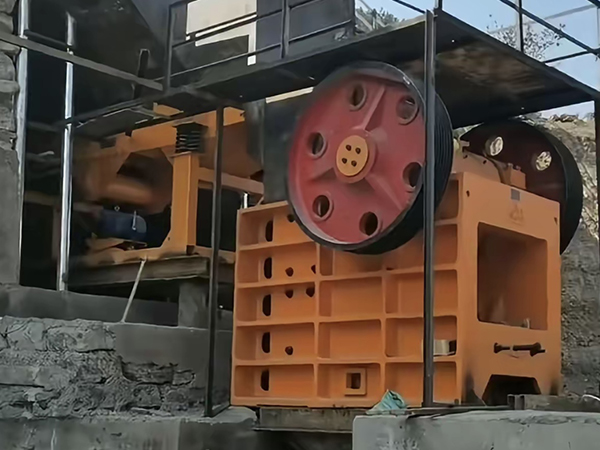
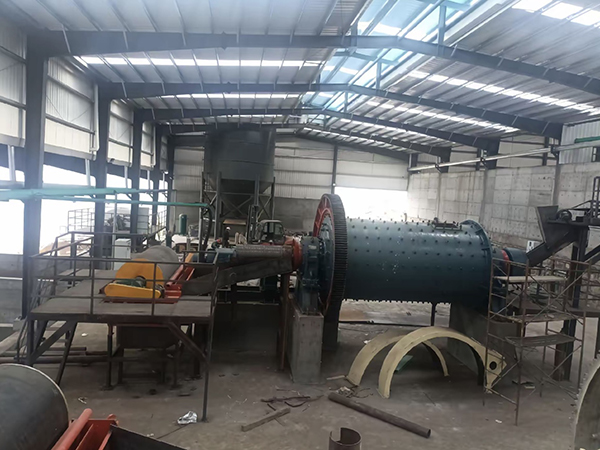
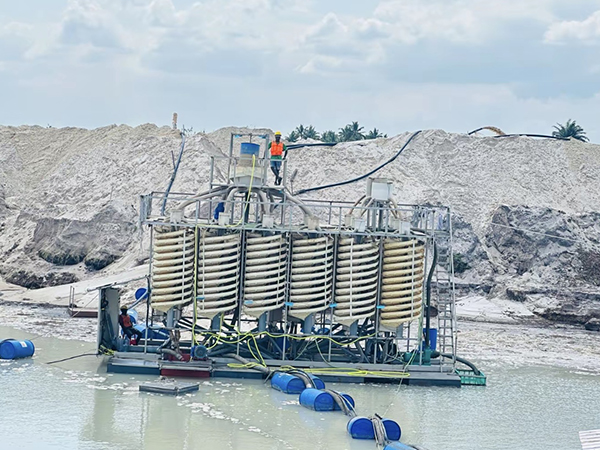
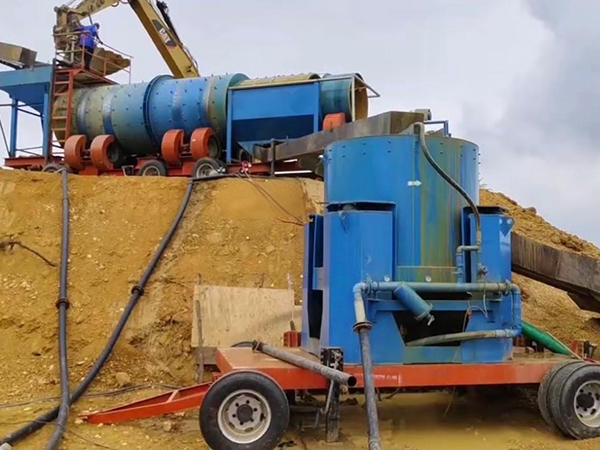
Our Lab Roll Ball Mill is highly trusted by mineral processing laboratories and pilot plants globally. The successful cases below highlight our extensive experience in providing reliable ore grinding solutions across various countries, including South Sudan, Zimbabwe, South Africa, and Brazil. From precious metals like gold to critical minerals such as lithium, copper, and tantalum-niobium, our equipment demonstrates exceptional adaptability and stability. By delivering precise grinding results, we assist clients in validating their beneficiation workflows, optimizing recovery rates, and reducing project risks before full-scale production.
|
Rock Gold Mine - South Sudan |
Placer Gold Mines - Zimbabwe |
Chromite - South Africa |
|
Alluvial Chrome Ore - Zimbabwe |
Alluvial Tin Mines - Bolivia |
Rock Tin Mines - Indonesia |
|
Copper Oxide - Russia |
Tantalum Niobium Ore - Nigeria |
Lithium Mines - Brazil |
|
Gaoling Mine - Uganda |
Lead Zinc Mine - Morocco |
Manganese Ore - Kenya |
Hematite - South Africa |
Q: What materials can the Lab Roll Ball Mill grind?
A: This equipment is highly versatile and designed for processing a wide range of materials, including metallic ores, non-metallic minerals, chemical compounds, pharmaceutical ingredients, and electronic components. It is particularly suitable for laboratory research, academic teaching, and small-scale pilot production in metallurgy, ceramics, and biomedical fields where precise material reduction is required.
Q: What jar options are available for this ball mill?
A: To accommodate different material properties and prevent cross-contamination, we offer grinding jars in various materials such as stainless steel, alumina, nylon, and ceramics. Available in capacities ranging from 5L to 20L, the mill's design allows multiple jars to operate simultaneously, providing flexibility for diverse batch testing and comparative grinding tasks.
Q: Can it achieve nanoscale grinding results?
A: Yes, depending on the material hardness and grinding time, this mill can effectively reduce particles down to the micron or even nanoscale level. The consistent rotational mechanism ensures uniform particle size distribution, making it an excellent choice for nanotechnology development, advanced material research, and high-precision laboratory testing.
Advantages
 |  |  |
Multiple jars can be used simultaneously, allowing for grinding of multiple samples at once.
Can operate intermittently or continuously, with adjustable grinding time.
Suitable for fine grinding of materials, with high crushing efficiency.
The bearing rollers of the jars are made from special materials, ensuring durability.
Convenient jar replacement, suitable for both dry and wet grinding.
Successful Cases
Rock Gold Mine - South Sudan |
|
Chromite - South Africa |
Alluvial Chrome Ore - Zimbabwe |
Alluvial Tin Mines - Bolivia |
Rock Tin Mines - Indonesia |
Copper Oxide - Russia |
Tantalum Niobium Ore - Nigeria |
Lithium Mines - Brazil |
Gaoling Mine - Uganda |
Lead Zinc Mine - Morocco |
Manganese Ore - Kenya |
Hematite - South Africa |