Views: 0 Author: Site Editor Publish Time: 2026-06-13 Origin: Site
Purchasing the central plant represents the largest and most critical capital expenditure in your mining operation. Make the wrong choice, and you face severe consequences. You lose fine gold to the tailings pile. You suffer excessive downtime fixing clogged screens. You quickly blow through your operational budgets modifying an inadequate setup. Modern operators face complex variables every single day. You must manage varying clay content, navigate strict water usage regulations, and ensure predictable material throughput. You cannot simply buy off-the-shelf machinery and hope for the best. You need a targeted, intelligent approach.
This guide provides a structured framework for evaluating and selecting a wash plant. It helps you align your machinery directly against specific geological realities and strict production targets. You will learn exactly how to match your specific deposit characteristics to the correct mechanical solution, ensuring optimal recovery rates and sustained profitability.
Material dictates machinery: High-clay deposits require heavy scrubbing (trommels), while loose gravels favor high-volume screening (shaker plants).
Real-world throughput vs. rated capacity: Equipment should be evaluated on sustained operating capacity, not theoretical maximums, factoring in feed interruptions and material density.
Water management is a primary constraint: Total water requirements and recycling capabilities often dictate the viability of the equipment setup.
Vendor support outlasts the initial purchase: Parts availability and aftermarket support are as critical as the mechanical design of the plant itself.
You must thoroughly assess the clay content, cementing, and the presence of heavy boulders in your deposit. Highly cohesive clay acts like a sponge for precious metals. It requires aggressive mechanical scrubbing to liberate gold particles before they ever reach the screening phase. If you skip this assessment, you risk sending bound gold directly out the tailings chute.
You also need to define the maximum feed size accurately. This measurement determines your grizzly bar spacing and primary hopper requirements. Consider these best practices when evaluating your soil:
Conduct bulk sampling across multiple test pits to identify clay lenses.
Measure the plasticity index of your clays to determine stickiness.
Record the percentage of oversized boulders to size your heavy-duty grizzly appropriately.
Water drives the entire recovery process. You must calculate accurate gallons-per-minute (GPM) requirements against your legal site water rights and seasonal availability. Summer droughts or winter freezes drastically alter your operational window. A lack of water immediately shuts down production.
Evaluate the need for settling ponds or closed-loop water recycling systems early in your planning phase. Many jurisdictions strictly regulate discharge turbidity. If you lack abundant fresh water, you must implement flocculant stations and multi-stage settling ponds to clarify process water for continuous reuse.
Define your required Tons Per Hour (TPH) or cubic yards per hour. You need this specific metric to achieve your target return on investment. Many novice operators focus only on processing grade, ignoring the sheer volume required to turn a profit on low-grade deposits.
Account for standard operational delays when calculating required plant capacity. Follow this numbered list to establish your baseline volume:
Measure the average cycle time of your primary excavator.
Subtract 15% of your shift time for fueling, greasing, and operator breaks.
Calculate the realistic daily yardage you can continuously feed the hopper.
Size your plant slightly above this baseline to prevent hopper bottlenecks.
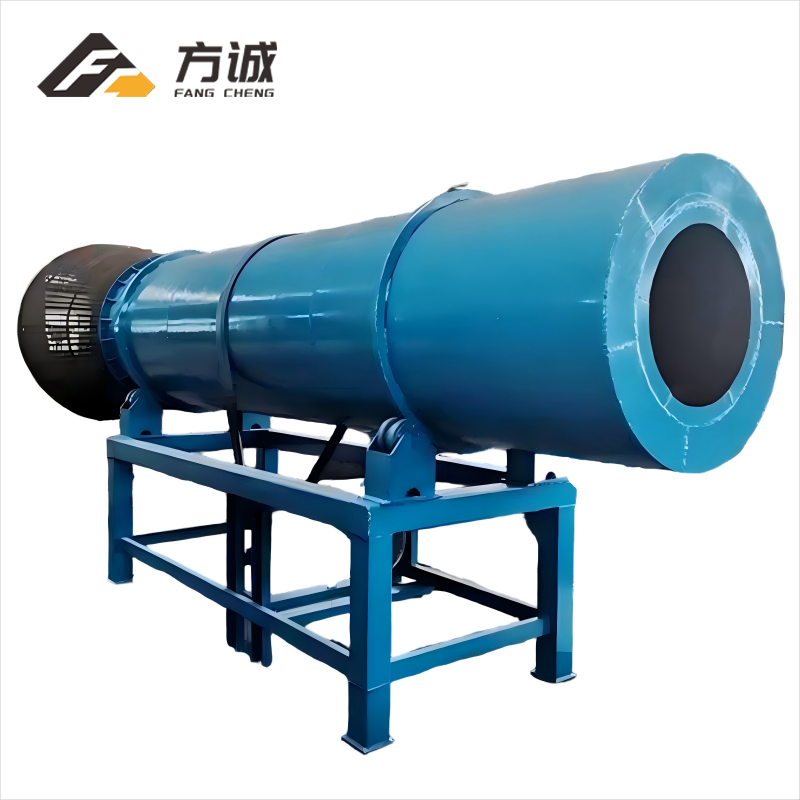
A dedicated gold trommel is best for high-clay, sticky materials requiring aggressive washing and tumbling. It acts as a massive rotary scrubber.
The mechanism uses a rotating cylindrical drum fitted with internal lifters and high-pressure spray bars. As the drum turns, the lifters repeatedly pick up and drop the material. This cascading action, combined with water, breaks up stubborn clay agglomerations. Fine material passes through the screen matrix while oversize rocks exit the discharge end.
The pros include excellent material breakdown and superior liberation for cohesive soils. The main con is typically a lower overall throughput compared to shaker screens occupying a similar physical footprint.
An alluvial gold wash plant utilizing shaker decks is best for loose gravels, sandy deposits, and high-volume operations. These setups prioritize speed and rapid sizing.
The mechanism utilizes multi-deck vibrating screens paired with high-pressure wash bars. Eccentric shafts generate intense vibration, rapidly stratifying the feed material. Water blasts wash the sands through the urethane or wire mesh screens.
The pros include exceptionally high TPH capacity and efficient sizing. The primary con is poor performance in sticky materials. A shaker plant struggles heavily with un-liberated clay, often leading to significant gold loss right off the tailings belt.
A mobile gold mining plant is best for exploration, scattered deposits, or operators requiring rapid site-to-site deployment. You move the plant to the dirt rather than trucking the dirt to a stationary plant.
The mechanism usually consists of trailer-mounted or skid-steer portable units. They ingeniously combine a feed hopper, a sizing screen (either a mini-trommel or shaker deck), and an integrated sluice run into one towable chassis.
The pros include drastically reduced material hauling costs and fast setup times. The cons are limited overall capacities and smaller sluice box footprints, which demand careful tuning to maintain high recovery rates.
Plant Category | Ideal Material Type | Primary Mechanism | Key Advantage | Key Limitation |
|---|---|---|---|---|
Trommel Plant | Heavy Clay, Sticky Gravel | Rotary tumbling and scrubbing | Exceptional material liberation | Lower TPH capacity |
Shaker Plant | Loose Gravel, Sandy Soil | Vibrational stratification | Massive TPH throughput | Poor clay breakdown |
Mobile Plant | Scattered or Test Deposits | Integrated chassis system | Rapid deployment and relocation | Limited sluice footprint |
You must critically evaluate the sluice box design. Pay close attention to length, width, and gradient adjustability. A fixed-angle sluice severely limits your ability to tune recovery based on changing water flows or material feed rates. Adjustable leveling jacks are mandatory for fine-tuning.
Assess the integration of secondary recovery systems. Advanced operators often implement centrifugal concentrators or mineral jigs to capture elusive sub-100 mesh gold. Relying solely on a primary sluice run often leaves the finest flakes unrecovered.
Review the specific matting and riffle profiles provided. Different flow rates demand different fluid dynamics. Expanded metal over miner's moss catches coarse gold, while specialized rubber drop-riffle mats create the precise vortexes needed for micron-level recovery.
You need heavy-duty gold recovery equipment built to withstand constant abuse. Verify the extensive use of high-abrasion materials. Manufacturers should utilize AR400 steel in high-impact zones like hopper impact plates and discharge chutes. Trommels should feature heavy-duty trunnion wheels and robust drive sprockets.
Urethane screen media outlasts standard woven wire mesh by a significant margin. Assess the structural integrity of the main chassis under full operational load and vibration. Flimsy channel iron frames will eventually crack under the relentless harmonic stress of a vibrating deck or a fully loaded scrubbing drum.
Compare direct electric drive setups against diesel-hydraulic systems. Diesel-hydraulic systems offer incredible flexibility in remote locations. You avoid running massive generator cables. However, hydraulic systems require meticulous fluid maintenance and run hotter in summer months.
Electric drives generally offer higher reliability and simpler troubleshooting. Evaluate fuel consumption rates for onboard power plants. Check the maintenance accessibility of the power plant. Can you easily change oil filters? How does the drive system perform in extreme climates? A robust power system keeps your plant running when weather conditions deteriorate.
You must address the common discrepancy between manufacturer "nameplate" capacity and actual field throughput. Sales brochures often quote maximum theoretical rates based on perfectly dry, loose, and pre-screened material. You rarely encounter these ideal conditions in reality.
Always advise discounting maximum TPH claims by 15-20% to account for real-world feed inconsistencies. Material swelling, temporary hopper blockages, and sticky clay layers drastically reduce your hourly processing averages. Plan your financial models around sustained operating capacity, never the theoretical peak.
Evaluate the ease of daily maintenance tasks. Can one operator change screen decks safely? How difficult is replacing clogged spray nozzles? Are all critical grease points easily accessible, or do mechanics need to crawl under precarious hoppers?
Highlight the danger of bespoke or proprietary wear parts. Effective placer gold processing demands components you can source locally. If a specialized hydraulic motor fails and the factory has a six-week lead time, your mining season effectively ends. Always favor equipment utilizing standard, off-the-shelf industrial bearings, belts, and hoses.
Common maintenance mistakes include:
Ignoring daily lubrication schedules for trunnion wheels.
Failing to clear debris from water pump intake screens.
Running screens with missing bolts, leading to catastrophic frame failure.
You must factor in the plant's physical footprint regarding tailings discharge and water turbidity. Modern mining requires stringent environmental stewardship. A poorly designed discharge chute creates massive, unmanageable tailings piles that complicate reclamation efforts.
Ensure the equipment integrates seamlessly with required reclamation and environmental mitigation strategies. The layout should allow dozers to push tailings back into the cut efficiently. Your water systems must prevent muddy discharge from entering local creeks. Placer mining rests entirely on maintaining good standing with environmental regulators.
Demand hard case studies or references from active operations possessing similar geological profiles. General testimonials offer zero value. If you mine cemented clay, you need to speak with another operator who successfully uses their machinery in cemented clay.
Evaluate the vendor's engineering transparency. Do they provide clear CAD layouts of the proposed plant? Will they share accurate water flowsheets and mass balance calculations? When reviewing a placer gold mining equipment vendor, insist on seeing detailed power draw specifications. Transparent engineers welcome these technical questions.
Determine if a standard unit suffices or if you require custom modifications. Many deposits demand extended scrubbing sections, specialized hopper grates, or unique riffle profiles.
Assess lead times for custom fabrication against your strict mining season window. Custom builds often suffer delays. If a manufacturer promises a custom heavy-duty scrubber in eight weeks, verify their track record. Missing the spring thaw because your plant sits unfinished in a fabrication shop destroys your annual revenue projections.
Review warranty inclusions carefully. Most manufacturers cover the chassis and major structural welds. They rarely cover wear parts like screens, mats, or spray nozzles. Understand exactly what constitutes a valid warranty claim.
Verify the manufacturer’s supply chain stability for critical replacement components. You must know they stock replacement hydraulic pumps, drive motors, and specialized gearbox components. Exceptional aftermarket support outlasts the initial purchase thrill and keeps you profitable during unexpected breakdowns.
Evaluation Metric | Warning Sign (Red Flag) | Ideal Standard (Green Flag) |
|---|---|---|
Engineering Transparency | Refuses to share CAD models or mass balance sheets. | Provides detailed flowsheets and power requirements. |
Component Sourcing | Uses proprietary bearings and custom hydraulic motors. | Utilizes standard, universally available industrial components. |
Case Studies | Only offers generic, unnamed testimonials on website. | Provides direct contact info for operators in similar geology. |
Warranty Coverage | Vague terminology masking structural exclusions. | Clear separation of structural warranty vs. expected wear items. |
Selecting the right processing machinery remains a delicate balancing act. You must constantly weigh your material characteristics against target throughput metrics and strict capital constraints. There is no universal solution.
Do not fall into the trap of over-buying on capacity at the direct expense of recovery efficiency. Pushing 200 yards an hour means nothing if your sluice boxes lose all the fine gold. The most profitable plant is always the one tailored precisely to your specific site geology, clay content, and water availability.
Before you engage manufacturers or write purchase orders, conduct a comprehensive bulk sampling program across your deposit. Use this definitive geological data to request a formal technical consultation with a qualified equipment engineer. Your upfront diligence guarantees long-term profitability.
A: A trommel uses a rotating, tumbling action inside a drum. This mechanism aggressively scrubs and breaks down heavy clay and sticky materials. A shaker plant utilizes multi-deck vibrating screens to rapidly size loose gravels and sandy deposits. Trommels excel at material liberation, while shakers provide superior high-volume throughput.
A: Water requirements vary heavily based on clay content and specific equipment design. However, a standard industry ratio suggests you need roughly 40 to 60 gallons of water per minute for every cubic yard of material processed per hour. High clay content demands significantly more water for proper breakdown.
A: Yes. Mobility does not inherently compromise recovery rates. A mobile unit recovers fine gold effectively provided it features proper feed rate regulation, sufficient sluice box length, and the correct riffle and matting configuration for the specific target material.
A: You calculate actual ROI using a specific formula: (Average expected grade per yard × actual realistic processing volume per shift × your anticipated recovery rate). From this gross revenue, subtract your operational expenses, including fuel, labor, daily maintenance, and capital depreciation.