| Quantity: | |
|---|---|
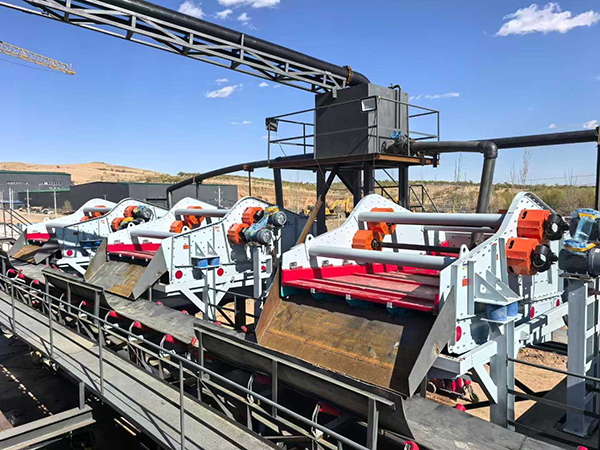
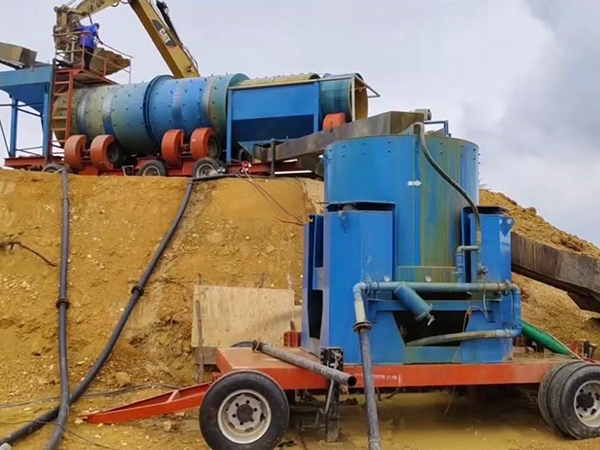
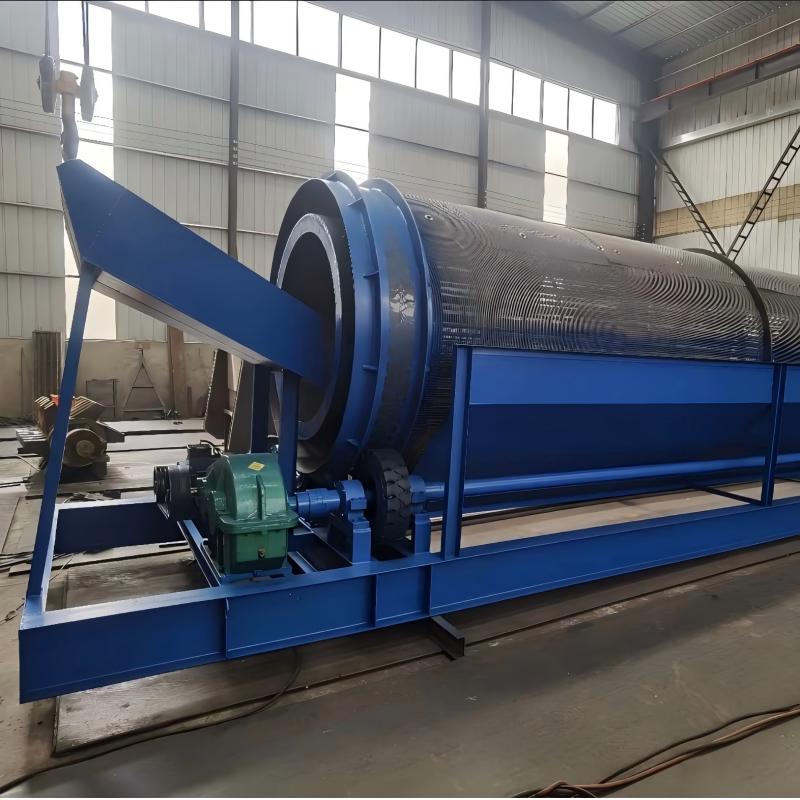
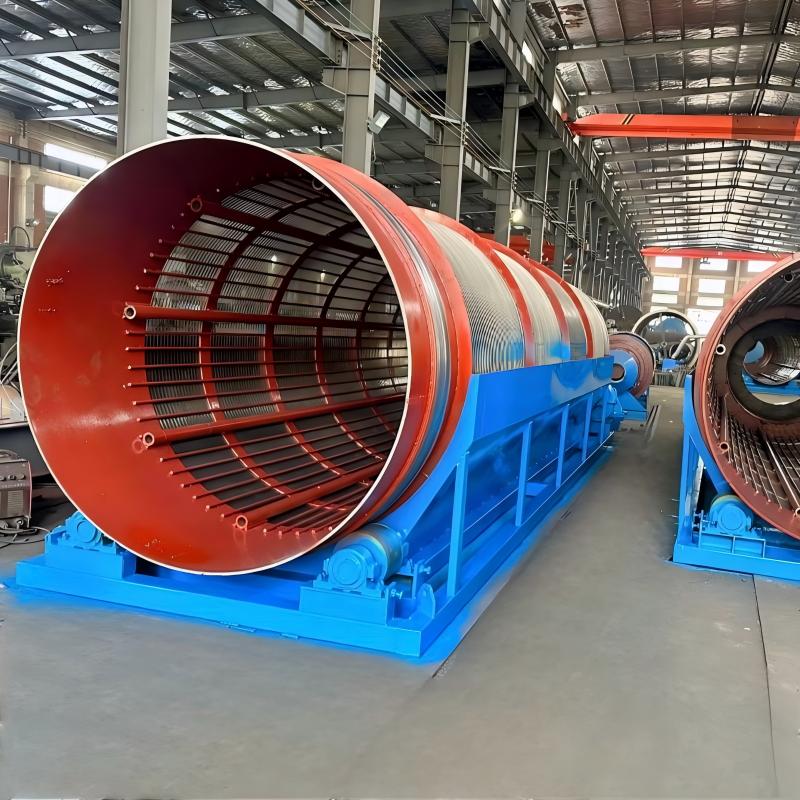
The mining trommel screen is engineered to provide highly efficient ore classification through a reliable and continuous mechanical process. The equipment primarily consists of a robust rotating drum, a heavy-duty drive unit, a stable support frame, and an integrated sealing system. By utilizing rotational screening, the system effectively separates mixed bulk materials into distinct size fractions. This mechanical approach is designed to handle varying feed conditions, ensuring consistent operation and reliable output for demanding mining and mineral processing facilities.
The operational cycle begins when raw bulk materials are fed into the rotating drum. Inside the cylindrical drum, the interplay of centrifugal force and gravity drives the entire classification process. As the drum rotates at a carefully calculated speed, the internal friction and lifters elevate the materials along the inner wall. Once the materials reach a specific height, gravity overcomes the centrifugal force, causing the materials to tumble and cascade downward. This continuous lifting and dropping action aggressively agitates the feed, breaking up agglomerated lumps and loosening sticky materials. This tumbling mechanism is particularly crucial when processing clay-heavy ores or damp coal, as it prepares the material for accurate sizing.
During the tumbling process, the material undergoes natural stratification. The constant agitation ensures that all particles frequently come into contact with the internal screen surface. Fine particles, which are smaller than the designated screen apertures, easily pass through the mesh and are collected in the underflow hopper or discharge chute. The rotational speed of the drum is optimized to prevent materials from simply sliding along the bottom or being pinned to the walls by excessive centrifugal force. This optimal rotation ensures a dynamic cascading effect, maximizing the open area utilized for sizing and significantly improving overall screening efficiency.
While the fine particles are continuously screened out, the larger, oversized materials that cannot pass through the apertures remain inside the drum. The trommel screen is typically installed at a slight incline relative to the horizontal plane. This precise inclination, combined with the continuous rotational movement, creates an axial force that gradually pushes the oversized materials along the length of the drum. The oversized fraction travels steadily toward the lower end of the cylinder, where it is ultimately discharged for secondary crushing, stockpiling, or further processing. This continuous axial progression ensures a steady throughput and prevents material buildup within the active screening zone.
One of the most significant operational benefits of this working principle is its inherent resistance to screen blinding and clogging. The aggressive tumbling action continuously clears the screen apertures, dislodging near-size particles that might otherwise become wedged in the mesh. Additionally, the continuous movement of heavy oversized materials acts as a natural cleaning mechanism for the screen surface. This self-cleaning capability ensures uninterrupted operation and reduces the need for manual maintenance downtime, lowering operational risks for procurement teams. Because of this reliable mechanism, the trommel screen is highly adaptable and provides exceptional classification performance for a wide range of materials, including hard rock ores, coal, construction aggregates, and various recyclables.
 |  |  |
The Mining Trommel Screen is engineered to deliver exceptional screening performance, achieving a 30%+ increase in overall processing capacity compared to conventional alternatives. By extending the effective screening time within the drum, this equipment ensures thorough separation of materials. It is highly effective when dealing with wet, sticky, or heavily mixed ores that typically cause processing bottlenecks. For mining operations and aggregate production facilities, this significant boost in throughput directly translates to higher daily yields and improved operational profitability. The enhanced material tumbling action guarantees that even the most challenging ores are accurately classified, reducing the need for secondary processing and streamlining your entire production line.
One of the most critical challenges in ore classification is screen blinding, which severely disrupts continuous production. Our trommel screen features a patented screen design specifically developed to combat this issue, effectively reducing material clogging and screen blinding by up to 80%. This continuous self-cleaning capability ensures a consistent open area for material to pass through, maintaining optimal screening efficiency even during extended shifts. Furthermore, the specialized wear-resistant materials and robust structural integrity of the screening media contribute to a 2x longer lifespan. For procurement managers and site operators, this means fewer replacement parts, significantly minimized unexpected downtime, and a more reliable return on investment over the equipment's lifecycle.
Minimizing operational interruptions and maintenance overhead is essential for maximizing mining profitability. This trommel screen features a highly modular structure, allowing for rapid inspection, straightforward maintenance, and quick replacement of individual screen panels without requiring extensive dismantling of the entire unit. This user-friendly design significantly reduces labor hours and technical complexity during routine servicing, ultimately cutting overall maintenance costs by 25%. In addition to its structural benefits, the equipment is designed for quiet operation. The reduced noise emissions not only comply with stringent environmental and workplace safety regulations but also create a safer, more comfortable working environment for on-site personnel.
Versatility is a key factor when selecting industrial screening equipment for diverse project requirements. Designed with adaptability in mind, this trommel screen offers fully adjustable rotational speed and installation angles. This universal functionality allows operators to fine-tune the screening dynamics based on the specific characteristics of the feed material and the desired output specifications. Whether you are processing heavy mineral ores, handling corrosive chemical raw materials, or sorting abrasive construction and demolition waste, the equipment can be easily calibrated to deliver optimal separation results. This multi-purpose capability ensures that the machine can be redeployed across different sites or adapted to varying production phases, providing excellent long-term value and reducing the need to purchase multiple specialized screening units.
The following technical specifications detail the GT series (electric motor-driven) and MGT series (diesel engine-driven) mining trommel screens. These parameters are provided to assist in selecting the appropriate model based on your required processing capacity, power source availability, and site dimensional constraints. Please review the drum dimensions, screen sizes, and overall weights to ensure compatibility with your ore classification project.
| Trommel Screen | |||||||
| Model | Capacity(t/h) | Power(kw) | Drum Diameter(mm) | Drum Length(mm) | Screen Size(mm) | Weight(kg) | Dimension(mm) |
| GT1015 | 10-15 | 4.0 | 1000 | 1500 | <3~10 | 2200 | 3000*1400*2145 |
| GT1020 | 15-25 | 5.5 | 1000 | 2000 | 2800 | 3460*1400*2145 | |
| GT1225 | 25-40 | 7.5 | 1200 | 2500 | 4200 | 4146*1600*2680 | |
| GT1530 | 60-80 | 11 | 1500 | 3000 | 5100 | 4460*1900*2820 | |
| GT1545 | 80-150 | 15 | 1500 | 4500 | 6000 | 5960*1900*3080 | |
| GT1848 | 150-200 | 22 | 1800 | 4800 | 7500 | 6500*2300*4000 | |
| GT2055 | 200-600 | 30 | 2000 | 5500 | 8600 | 7500*2500*4000 | |
| MGT1030 | 30-50 | Diesel engine | 1000 | 3000 | 3-20 | 3900 | 5860*1400*2550 |
| MGT1230 | 50-80 | 1200 | 3000 | 5500 | 5860*1600*2600 | ||
| MGT1545 | 80-120 | 1500 | 4500 | 8600 | 8310*2180*3030 | ||
| MGT1848 | 120-180 | 1800 | 4800 | 9300 | 8500*2450*4000 | ||
| The technical parameters provided are for reference only. Final product performance shall be subject to the official technical specifications. | |||||||
Our Mining Trommel Screen for Ore Classification has been successfully deployed in numerous mineral processing projects worldwide, demonstrating reliable performance and adaptability across diverse geological conditions. From alluvial deposits to hard rock ores, this screening equipment provides efficient sizing, washing, and classification solutions for a wide range of materials.
Below are selected global cases showcasing our proven track record in enhancing classification efficiency for gold, chrome, tin, lithium, copper, and other valuable ores. Spanning across Africa, South America, Asia, and Europe, these real-world applications reflect our commitment to delivering dependable mineral processing solutions that meet specific project requirements and lower purchasing risks for our clients.
|
Rock Gold Mine - South Sudan |
Placer Gold Mines - Zimbabwe |
Chromite - South Africa |
|
Alluvial Chrome Ore - Zimbabwe |
Alluvial Tin Mines - Bolivia |
Rock Tin Mines - Indonesia |
|
Copper Oxide - Russia |
Tantalum Niobium Ore - Nigeria |
Lithium Mines - Brazil |
|
Kaolin Mine - Uganda |
Lead Zinc Mine - Morocco |
Manganese Ore - Kenya |
Hematite - South Africa |
Q: What types of materials are most suitable for processing with a mining trommel screen?
A: Trommel screens are highly effective for classifying high-volume ores, alluvial deposits, and construction waste. They are specifically designed to excel with challenging materials containing 15-30% moisture content, consistently achieving a screening efficiency of over 95% where standard equipment might struggle.
Q: How does the equipment prevent screen clogging when handling sticky ores?
A: To ensure continuous operation and minimize maintenance downtime, clogging is prevented through three primary methods: ① Utilizing integrated self-cleaning brush mechanisms that clear the mesh during rotation; ② Maintaining a consistent and controlled feed rate to avoid overloading; ③ Installing an optional high-pressure water wash system, which is highly recommended for heavily cohesive or clay-bound materials.
Q: When should I choose a trommel screen over a standard vibrating screen?
A: The choice depends largely on your material conditions. Trommel screens are engineered to handle up to 3 times more wet and sticky materials without experiencing screen blinding, making them the superior choice for clay-heavy or high-moisture ores. In contrast, vibrating screens are generally better suited for dry, fine material classification.
Advantages
 |  |  |
High Efficiency: 30%+ capacity with extended screening time, ideal for wet/sticky materials.
Clog-Resistant: Patented screen design reduces blinding by 80%, 2x lifespan.
Low Maintenance: Quiet operation + modular structure cuts costs by 25%.
Universal: Adjustable speed/angle for ores, chemicals, construction waste.
Successful Cases
Rock Gold Mine - South Sudan |
Placer Gold Mines - Zimbabwe |
Chromite - South Africa |
Alluvial Chrome Ore - Zimbabwe |
Alluvial Tin Mines - Bolivia |
Rock Tin Mines - Indonesia |
Copper Oxide - Russia |
Tantalum Niobium Ore - Nigeria |
Lithium Mines - Brazil |
Kaolin Mine - Uganda |
Lead Zinc Mine - Morocco |
Manganese Ore - Kenya |
Hematite - South Africa |