Views: 0 Author: Site Editor Publish Time: 2026-06-16 Origin: Site
Transitioning from site prospecting to commercial extraction marks a critical milestone for any mining operation. You move from finding the gold to moving mountains of dirt to extract it. This shift requires serious capital, precise planning, and reliable machinery.
A profitable operation relies on aligning equipment specifications directly with site geology. You must avoid both under-capitalization and unnecessary overhead. Failing to match your plant to your dirt leads to bottlenecked production and lost gold. Heavy clay demands different handling than loose, sandy gravels. Your setup must reflect this reality.
This guide serves as a technical and financial decision framework for operators finalizing their equipment procurement. We will explore how to size your systems, choose the right extraction mechanics, and maintain environmental compliance. You will learn how to configure your processing sequence for maximum yield and efficiency.
Geology dictates design: High-clay deposits require active scrubbing (trommels), while loose gravels favor high-throughput vibrating screens.
Capacity limits are fixed by bottlenecks: A high-volume wash plant fails if the sluice or concentration system cannot handle the feed rate.
Mobility vs. Lifespan: Wheeled or tracked plants offer rapid deployment, but stationary setups often yield lower maintenance costs over multi-year mine lives.
Compliance is a core operating cost: Closed-loop water recycling and tailings management are non-negotiable for modern permitting.
You must evaluate clay content, cemented gravels, and boulder sizes before buying equipment. Site geology dictates your entire workflow. High-clay materials bind to fine gold particles. They act like a sponge, dragging valuable metals straight into the tailings.
Heavy clay necessitates longer retention times and aggressive scrubbing mechanisms. You need machinery that physically breaks down sticky mud to liberate fine gold. Boulders present a different challenge. They require heavy-duty grizzly bars to deflect oversized rocks before they damage downstream equipment. Assessing these variables ensures your plant handles the material efficiently.
Efficient alluvial gold processing demands substantial water. You must calculate the required water-to-solids ratios to maintain optimal slurry density. Too little water creates thick mud that carries gold away. Too much water flushes fine gold out of the recovery zones.
Power logistics also dictate your plant design. You must evaluate power source realities based on site location. Remote claims typically rely on diesel generators. They provide independence but increase fuel transport costs. Sites near infrastructure might benefit from grid integration. You need to weigh these options early in the planning phase.
You must define realistic Tons Per Hour (TPH) targets. Base these numbers on your proven reserve volume and target mine life. Overbuilding a plant drains your capital quickly. Underbuilding leaves valuable reserves stranded in the ground.
A smart operator matches plant throughput to the daily feeding capacity of their earthmoving fleet. If your excavator can only dig 50 yards an hour, buying a 150-yard-per-hour plant wastes money. Balance your production goals with your available resources.
The first stage of any proper setup involves washing and classifying raw ore. Trommel Screens are best for high-clay materials. They feature internal lifter bars and aggressive spray bars. As the drum rotates, the lifter bars repeatedly pick up rocks and drop them. This action effectively breaks apart cemented gravels and sticky clay.
Vibrating Screens or shaker plants serve a different purpose. They are best for loose, sandy gravels. They offer significant advantages in sheer throughput and profile height. Without sticky clay to slow things down, shaker decks quickly separate oversized rocks from valuable fine material. They move high volumes of dirt rapidly.
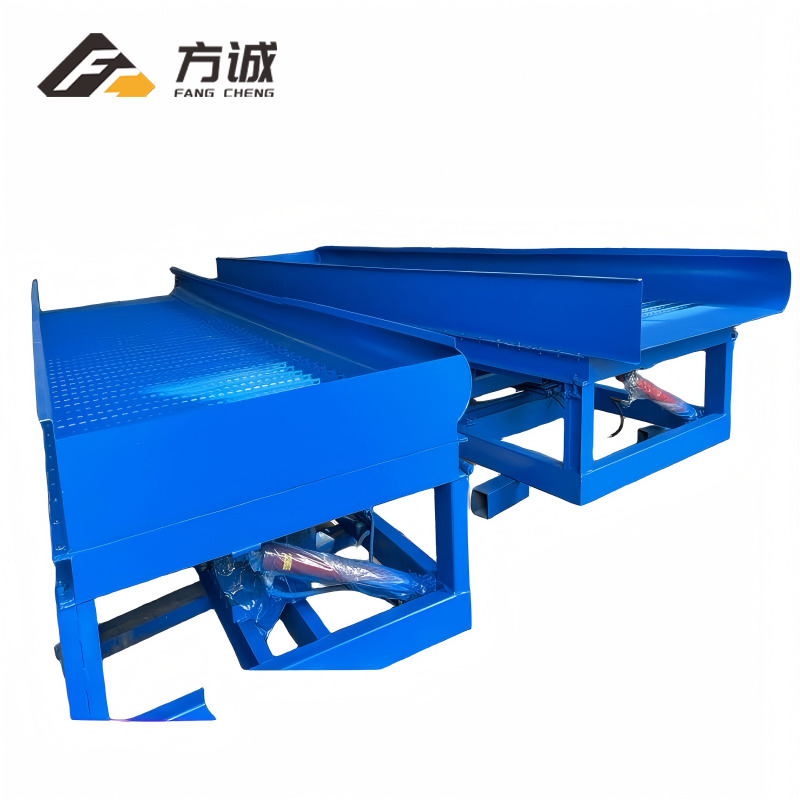
Once material is washed, it moves to primary extraction. A well-designed gold recovery sluice remains the backbone of the industry. These systems use traditional riffle and matting configurations. They rely on the physics of specific gravity separation. Gold is exceptionally heavy. When water flows at the correct velocity, lighter sands wash away while heavy gold drops behind the riffles.
Jig Separators offer another excellent primary extraction tool. They work well for catching coarser gold. Jigs use a pulsating water bed to stratify materials by weight. They handle fluctuating feed densities better than basic sluices. Operators often use them in diamond and coarse gold recovery setups.
Primary systems rarely catch everything. You need secondary concentration for maximum yield. Centrifugal Concentrators are essential for recovering ultra-fine gold. Standard sluices often lose gold smaller than 100 mesh. Centrifugal bowls spin at high speeds, using G-force to trap fine gold particles securely in ribbed cones.
For the final stage upgrading, operators rely on advanced machinery to clean their catch. These systems produce high-purity smelting grade concentrates. They separate heavy black sands from the pure gold, reducing manual panning time and increasing final profit margins.
Configuring a site for small scale gold mining requires a focus on low initial CapEx. You want ease of maintenance and minimal crew requirements. A lean team keeps operating costs manageable. Complex electrical systems are usually avoided at this scale.
A typical configuration looks like this:
A grizzly feed hopper to block large boulders.
A small trommel for basic washing and classification.
A standard sluice box fitted with miners moss.
A single water pump sized for the sluice width.
This streamlined approach minimizes downtime. If a part breaks, a small crew can fix it quickly without heavy cranes.
Scaling up changes the priorities. A medium gold wash plant setup places emphasis on continuous operation. Material handling efficiency and secondary recovery become paramount. You move massive volumes of dirt, so bottlenecks cost thousands of dollars a day.
A typical medium configuration includes:
An excavator or conveyor feed system for consistent input.
A heavy-duty shaker screen for high-volume classification.
Dual parallel sluices to handle wider slurry flows.
An integrated centrifugal concentrator for fine gold capture.
Tailings stacking conveyors to keep the discharge area clear.
This layout ensures steady production. The conveyor systems reduce the need for constant wheel loader transport, saving significant fuel.
Choosing between mobility and a fixed location impacts your entire mining strategy. You must evaluate your deposit layout and claim longevity before deciding.
Deploying mobile gold equipment is ideal for scattered deposits. It works perfectly for leased claims or continuous progressive reclamation. You simply tow the plant behind an excavator as you move down a river channel.
This method drastically reduces material transport costs. You move the plant to the ore, rather than hauling the ore to the plant. It saves massive amounts of diesel fuel and minimizes wear on haul trucks. Fast setup times mean you can start washing dirt within hours of arriving at a new cut.
Stationary setups offer higher maximum throughput and superior structural durability. They are built heavy because they do not need to move. You bolt them down to massive steel skids or concrete pads.
A fixed location allows easier integration of complex secondary recovery circuits. You can easily build large closed-loop water systems around a stationary plant. These setups handle years of continuous abuse without structural fatigue.
Moving parts on rough terrain increase wear. Mobile plants require rigorous preventative maintenance schedules. Vibrations from travel can loosen bolts and damage delicate water manifolds. Stationary setups face different risks. If the ore grade drops near the plant, you face mounting haulage costs to bring paydirt from further away.
Feature | Mobile Equipment | Stationary Plants |
|---|---|---|
Deployment Speed | Rapid (Hours to Days) | Slow (Weeks to Months) |
Material Transport | Low (Plant moves to ore) | High (Ore hauled to plant) |
Maximum Throughput | Moderate (Size restricted by mobility) | High (Unlimited footprint) |
Durability | Moderate (Subject to travel wear) | High (Heavy-duty fixed frames) |
Capturing every possible ounce determines your financial success. Poor operational habits can send thousands of dollars of fine gold back into the dirt.
Overloading the hopper is a common mistake. It destroys sluice stratification instantly. When you dump too much dirt at once, the water cannot fluidize the bed. The material packs down solid over the riffles. The new gold simply washes over the top of the packed dirt and flushes straight into the tailings.
You must maintain a steady, disciplined feed rate. Operators should use variable speed feeders or train excavator drivers to sprinkle material evenly. Consistency allows the specific gravity mechanics to work properly.
Water control is highly critical. You must balance water pressure to break up material without blowing fine gold out of the recovery zones. Too much volume creates turbulent boils inside the sluice. These boils lift fine, flat gold particles out of the matting.
Adjust your pitch and water flow until you see a smooth, rolling action over the riffles. The water should look active but not violent. Use pressure gauges and gate valves to lock in the perfect flow rate once established.
You must know what you are losing. Regular panning and assaying of tailings quantify your lost yield. Follow these auditing steps to adjust plant parameters:
Collect sample buckets directly from the final discharge chute.
Carefully pan the material, looking for fine gold specks or mercury amalgams.
Calculate the estimated loss per hour based on the sample yield.
Adjust sluice angle, water volume, or feed rate accordingly.
Retest the discharge to verify the adjustments improved retention.
Consistent auditing reveals hidden mechanical flaws before they cripple your seasonal profit.
Environmental compliance acts as a core operational requirement. Regulatory bodies scrutinize water usage and ground disturbance heavily.
Modern permitting demands strict water management. You must implement functional settling ponds. These ponds allow suspended solids to drop out before the water returns to the environment. Operators frequently use flocculant stations. Flocculants are safe chemicals that bind to microscopic clay particles, causing them to sink rapidly.
Designing closed-loop systems is crucial. A closed-loop system recycles the same water continuously. It helps you meet zero-discharge environmental regulations. This approach satisfies inspectors and protects local waterways from silt contamination.
Do not leave cleanup for the end of the mine life. Integrate tailings placement into your daily mining sequence. As you dig a new cut, fill the old cut with fresh tailings. Topsoil should be stored separately and spread over the filled cuts.
This progressive reclamation reduces end-of-life environmental liabilities. It demonstrates good stewardship to local communities and regulatory agencies. It also minimizes the size of your required reclamation bonds.
Equipment noise and diesel exhaust attract complaints and fines. You must adhere to local regulatory frameworks. Selecting electric drives reduces site noise drastically. If grid power is unavailable, you must choose modern, enclosed generators.
Tier-4 diesel engines are often required for new permits. They burn cleaner and produce significantly lower emissions. Upgrading to compliant engines keeps your operation safe from sudden regulatory shutdowns.
A reliable placer gold mining plant serves as the heartbeat of a commercial extraction site. The optimal setup balances geological reality, capital constraints, and water availability. You must choose trommels for heavy clay or vibrating screens for loose gravel. You must balance mobility against durability based on your claim size.
We recommend a phased procurement approach. Conduct bulk sampling with pilot equipment first. Prove the reserve grade before committing heavy capital to a medium-scale stationary plant. This mitigates financial risk and validates your separation flowsheets.
Take action before purchasing machinery. Consult with metallurgical engineers. Request custom equipment flowsheets based on actual site bore samples. Let geology dictate your design, and your recovery rates will reflect the investment.
A: A standard plant requires roughly 10 to 15 gallons of water per minute for every cubic yard of material processed per hour. High-clay soils require even more water for proper scrubbing. Implementing closed-loop recycling options with settling ponds drastically reduces your required fresh water intake.
A: The choice depends on clay content. Trommels feature internal lifters and spray bars that aggressively scrub sticky, high-clay deposits. Vibrating screens are better for loose, sandy gravels because they process material much faster. You must also ensure the chosen system handles the oversize boulders present in your specific deposit.
A: Basic sluice boxes struggle significantly with flour gold. Fine gold easily floats on water tension or gets swept away by turbulence. To recover ultra-fine gold, you must add specialized miners moss, deep V-matting, or integrate a centrifugal concentrator into your secondary recovery circuit.
A: Return on investment depends entirely on your deposit grade, operating costs per yard, and current gold spot prices. A highly organized 50 TPH plant on good ground can achieve profitability within a single season. However, hitting that timeline relies heavily on consistent material feed, minimal equipment downtime, and strict water management.