


| Quantity: | |
|---|---|
The side-action jig concentrator operates as a highly efficient gravity separation equipment, specifically engineered for extracting heavy minerals like sulfur concentrate from lighter materials such as coal gangue. The core physical mechanism relies on a side-mounted diaphragm that generates a vertical, alternating pulsating water flow. This fluid dynamic allows for precise mineral stratification based on particle density differences. Understanding this fundamental separation process helps operators and plant managers optimize equipment settings for specific mineral processing projects, ensuring stable recovery rates.
The operation initiates with the side-action diaphragm mechanism. Driven by the mechanical transmission system, the diaphragm moves reciprocally on the lateral side of the jigging chamber. This continuous mechanical action forces the water inside the chamber to move up and down through the screen plate, creating a vertical, alternating pulsating water flow. This specific hydrodynamic condition is the absolute foundation for the subsequent gravity-based separation process. Unlike static water environments, this active pulsation provides the kinetic energy required to manipulate the raw material feed, ensuring a stable and controlled processing environment for continuous mineral extraction.
The alternating water flow consists of two distinct phases—the upward flow and the downward flow—each playing a critical role in the physical stratification of the mineral bed.
Upward Water Flow: Characterized by a high velocity and a short duration, the upward thrust lifts the mixed mineral feed (containing both sulfur concentrate and coal gangue) off the jig screen plate. This action effectively loosens the compacted mineral bed, suspending the particles in the water and creating the necessary spatial gaps for them to rearrange according to their specific gravity.
Downward Water Flow: In contrast, the downward flow features a lower velocity and a longer duration. As the water recedes, the suspended particles begin to settle under the influence of gravity. The longer duration of this phase is crucial, as it strengthens the stratification effect. It allows particles to reach their terminal settling velocity, finding their proper vertical position within the bed based primarily on their density rather than their size or shape.
Because sulfur concentrate has a significantly higher density than the surrounding coal gangue, the settling velocities and trajectories of the two materials differ greatly during the continuous pulsation cycles.
Heavy Minerals (Sulfur Concentrate): During the upward flow, heavy particles rise to a lesser extent due to their greater mass and inertia. During the downward flow, they settle much faster. Over multiple pulsation cycles, these heavy minerals gradually concentrate at the bottom layer of the bed. After complete stratification, they pass through the screen plate and enter the concentrate chamber for collection.
Light Minerals (Coal Gangue): Conversely, the lighter coal gangue particles are lifted much higher during the upward flow and settle significantly more slowly during the downward phase. As a result, they remain continuously in the upper layers of the mineral bed. The continuous horizontal flow of the makeup water then carries these lighter materials toward the end of the jig chamber, where they are ultimately discharged through the tailings outlet.
By leveraging these precise fluid dynamics and gravity settling principles, the side-action jig machine provides a reliable and continuous physical method for recovering valuable sulfur concentrate. The clear separation pathway ensures that processing plants can achieve accurate mineral classification without relying on complex chemical reagents, reducing overall operational risks and maintaining consistent production stability.
When upgrading your mineral processing plant to extract sulfur concentrate from coal gangue, equipment reliability and separation efficiency are critical. Our Side-action Jig Machine is engineered to deliver superior stratification, maximizing resource recovery while minimizing operational costs. Explore the core advantages that make this equipment a valuable addition to your beneficiation circuit.
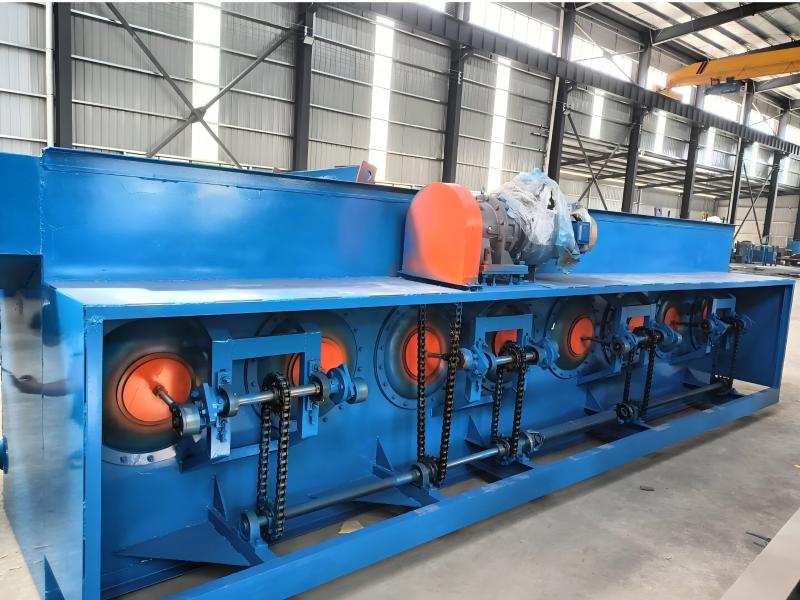 | 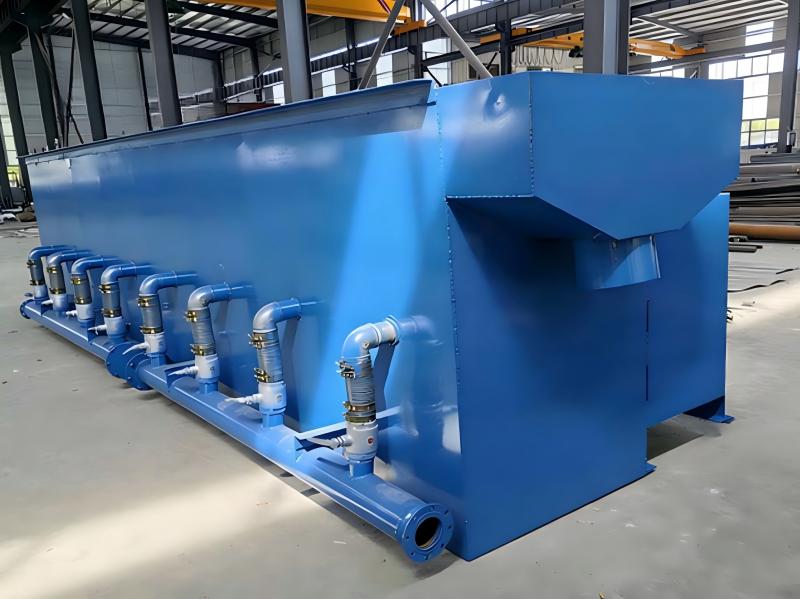 | 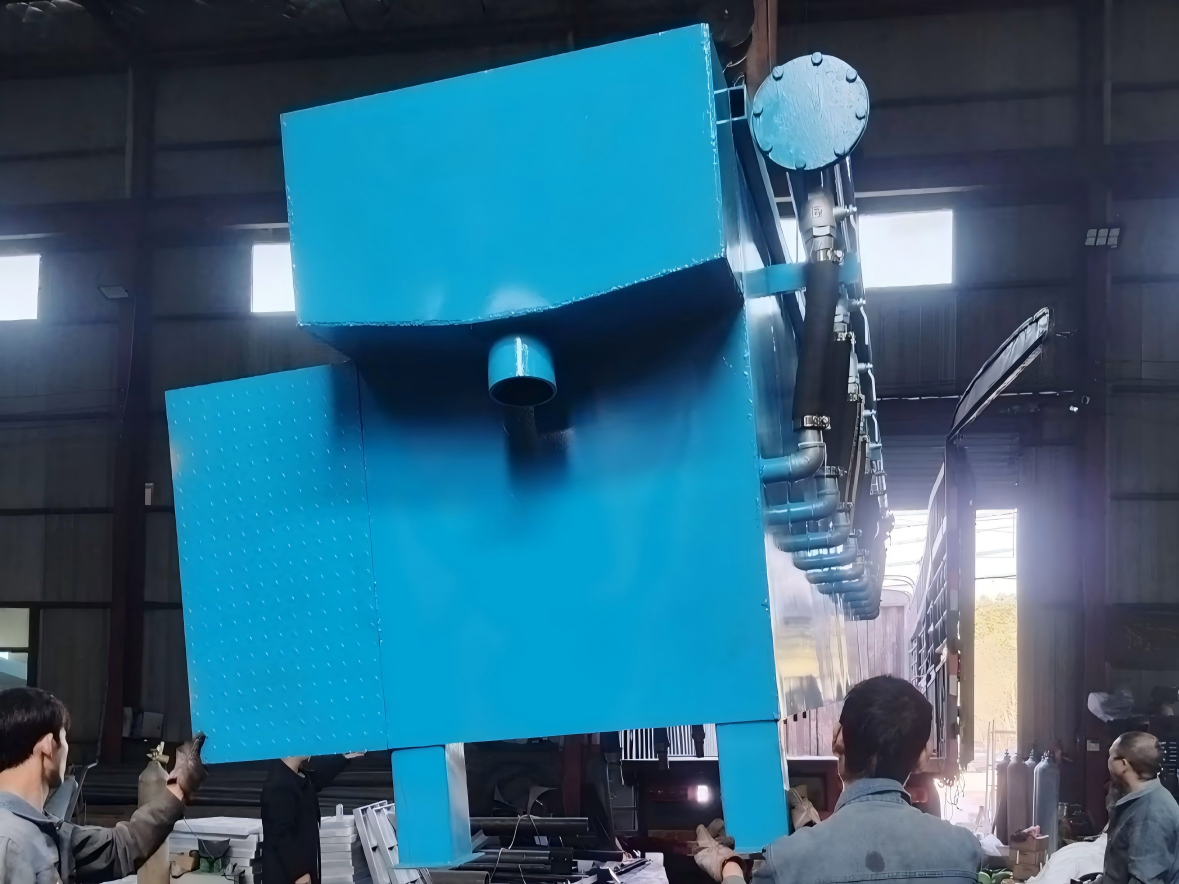 |
Side-Action Diaphragm Drive for Stable and Uniform Pulsation: The innovative side-action mechanism generates a highly consistent vertical water flow across the entire jigging bed. This stable pulsation is essential for the precise specific gravity separation of sulfur from lighter coal gangue. By minimizing irregular turbulence, the equipment ensures a distinct stratification layer, which directly improves the grade of the final concentrate and reduces the loss of valuable minerals to the tailings.
Integrated Multi-Chamber Design Combining Roughing, Scavenging, and Cleaning: Designed for maximum operational efficiency, this jigging machine integrates multiple separation stages into a single continuous unit. By combining roughing, scavenging, and cleaning chambers, it eliminates the need for multiple standalone machines. This streamlined approach not only simplifies your overall processing circuit but also significantly reduces capital investment, lowers energy consumption, and decreases the number of maintenance points in your facility.
Wide Particle Size Range (2 mm to 300 Mesh): Handling a broad spectrum of feed sizes is a major operational advantage. This side-action jig effectively processes materials ranging from 2 mm down to ultra-fine 300 mesh particles. Such versatility means the equipment can accommodate fluctuations in crushing and grinding outputs without requiring strict, costly pre-screening stages. It provides processing plants with the flexibility needed to handle varying run-of-mine coal gangue characteristics smoothly.
High Recovery Efficiency for Fine Heavy Minerals: Extracting fine heavy minerals often presents a challenge in traditional gravity separation. Our equipment is specifically optimized to capture these fine sulfur particles that might otherwise be discarded. The controlled water pulsation and specialized bed design work together to trap fine heavy minerals efficiently. This high recovery rate directly translates to increased yield and greater profitability, ensuring you get the most out of your raw materials.
Compact Structure with High Processing Capacity: Space optimization is a key factor in modern plant design. Despite its high throughput capabilities, the machine features a highly compact footprint. It delivers exceptional processing capacity per square meter, making it an ideal choice for facilities with limited floor space or those looking to upgrade their current capacity without undertaking extensive civil engineering and plant expansion projects.
Suitable for Various Heavy Mineral Beneficiation Applications: While highly effective for extracting sulfur concentrate from coal gangue, the robust design of this jigging machine makes it adaptable to a wide range of heavy mineral beneficiation tasks. Whether your project involves processing barite, fluorite, hematite, or other heavy minerals, the adjustable stroke and frequency settings allow operators to fine-tune the separation process. This operational flexibility ensures long-term value and adaptability for diverse mining projects.
Model | FCJM-8 | FCJM-6 |
Capacity (tph) | 15-25 | 15-25 |
Power (kw) | 7.5 | 7.5 |
Chamber Number | 8 | 6 |
Volume Per Chamber (m³) | 0.656 | 0.656 |
Total Volume (m³) | 5.248 | 3.936 |
Stroke Count (r/min) | 22-110 | 22-110 |
Stroke (mm) | 26-50 | 26-50 |
Weight (kg) | 4560 | -- |
Water Consumption (t/h) | 60-100 | 45-75 |
Size (mm) | 6636*1898*1753 | 5180*1898*1753 |
 Alluvial Tin Recovery with Side-action Jig Machine In this specific project, the side-action jig machine was deployed to process alluvial tin ores. By relying on precise gravity separation principles, the equipment effectively isolated heavy tin particles from lighter waste materials, ensuring a stable recovery process and optimizing the final concentrate grade for the mining operation. |
Q1: What is a side-action jig concentrator used for?
A side-action jig concentrator is primarily utilized for the gravity separation of heavy minerals based on density differences. It is highly effective in the beneficiation of tungsten, tin, placer gold, iron, and manganese ores. More importantly, it is specifically designed to separate sulfur concentrate from coal gangue, providing an efficient and reliable solution for coal mining and mineral recovery projects.
Q2: What is the primary difference between a side-action jig and a conventional jig?
The fundamental distinction lies in its side-mounted diaphragm drive structure. Unlike conventional models, the side-action jig generates a more stable and uniform pulsating water flow. This design significantly improves separation accuracy, minimizes water turbulence, and effectively reduces the loss of fine mineral particles during the separation process.
Q3: What particle size range is suitable for this side-action jig machine?
These concentrators are engineered to handle a broad range of material sizes, typically ranging from 2 mm down to 300 mesh. This versatility allows the equipment to effectively process both coarse and fine heavy mineral particles within a single operational setup, meeting diverse beneficiation requirements.
Q4: Can the machine efficiently handle fine heavy minerals?
Yes. Thanks to its multi-chamber design and precisely controlled pulsation, the side-action diaphragm jig is particularly effective in recovering fine heavy minerals. It successfully captures valuable fine particles that are frequently lost when using traditional gravity separation equipment, thereby improving the overall recovery rate.
Q5: What is the typical processing capacity of this equipment?
Depending on the specific model and the characteristics of the raw material, the processing capacity can reach 15 to 20 tons per hour (tph). This throughput makes the machine an ideal choice for medium-scale mineral processing plants seeking stable, continuous, and cost-effective operation.
Q6: Is customization available for different ore types and project needs?
Yes. We understand that every mining project has unique material conditions. The side-action jig concentrators can be tailored according to specific ore properties, particle size distributions, and overall plant requirements. Comprehensive process design and ongoing technical support are also provided to ensure optimal integration into your production line.
Advantages
 |  |  |
Side-action diaphragm drive for stable and uniform pulsation
Integrated multi-chamber design combining roughing, scavenging, and cleaning
Wide particle size range: 2 mm to 300 mesh
High recovery efficiency for fine heavy minerals
Compact structure with high processing capacity
Suitable for various heavy mineral beneficiation applications


