| Quantity: | |
|---|---|
The industrial vibratory feeder for mining feeding relies on a highly controlled mechanical process to transfer bulk materials. At the heart of its operation is the exciter system, which typically utilizes either an electromagnetic drive or heavy-duty vibration motors. This excitation unit is strategically mounted to generate continuous, directional periodic vibrations. When the system is activated, the exciter transfers these kinetic forces directly to the main feeding trough. The structural design ensures that the vibrations are strictly directional, preventing unwanted lateral movement and focusing all energy into moving the material along the designated path. This continuous transmission of mechanical energy forms the baseline for steady and reliable material handling in demanding mining environments, ensuring that bulk ores and minerals are processed without interruption.
Understanding the material movement dynamics is essential to grasping how the vibratory feeder maintains a continuous feed. As the trough undergoes periodic vibration at a specific frequency and amplitude, the bulk materials resting on the surface are subjected to significant inertial forces. During the upward and forward stroke of the vibration cycle, the material is accelerated and lifted slightly off the trough surface, moving forward in a jumping motion. Before the material can settle, the trough rapidly pulls back and downward during the return stroke. Because of inertia, the material does not travel backward with the trough but instead lands further along the path.
This sequence occurs hundreds or thousands of times per minute. To the naked eye, the material appears to flow smoothly and continuously like a fluid stream. This specific jumping mechanism significantly reduces sliding friction between the material and the trough surface, which is a key factor in handling abrasive mining materials while maintaining a stable and even feed rate over time.
A critical aspect of the vibratory feeding process is the ability to precisely control the feeding speed and volumetric flow rate. The equipment achieves this through multiple adjustable parameters: amplitude, frequency, and vibration angle. By modifying the input power for electromagnetic units or adjusting the eccentric blocks on vibration motors, operators can alter the amplitude of the trough's stroke. A larger amplitude results in a higher trajectory for the jumping material, thereby increasing the flow rate.
Similarly, adjusting the frequency changes how often these micro-jumps occur per minute. Furthermore, the installation angle of the exciter relative to the trough dictates the directional angle of the vibration force, which directly impacts the forward velocity of the material. This multi-variable control method allows the industrial vibratory feeder to adapt to varying material densities, moisture contents, and particle sizes, ensuring quantitative feeding tailored to specific processing requirements.
The ultimate objective of the vibratory feeder's working principle is to serve downstream processing units effectively. By transforming raw, bulk material surges into a regulated, continuous stream, the feeder acts as a buffering and metering device. Whether delivering heavy ores into primary crushers, transferring aggregates onto belt conveyors, or supplying fine minerals to packaging machines, the controlled vibratory action prevents overloading and choking of subsequent equipment. The uniform discharge rate guarantees that crushers operate at their designated load capacity, conveyors are not subjected to sudden impact surges, and the entire mining production circuit maintains a balanced workflow.
When selecting material handling equipment for mining and mineral processing, operational reliability, continuous output, and cost control are primary concerns for procurement and site managers. This industrial vibratory feeder is engineered to address these exact industry requirements, providing a highly efficient feeding solution that optimizes the entire production line. By focusing on structural efficiency, energy conservation, and precise flow control, this equipment helps facilities reduce the total cost of ownership while maintaining consistent daily output. Compared with conventional feeding systems, it delivers several distinct operational advantages tailored for heavy-duty mining applications.
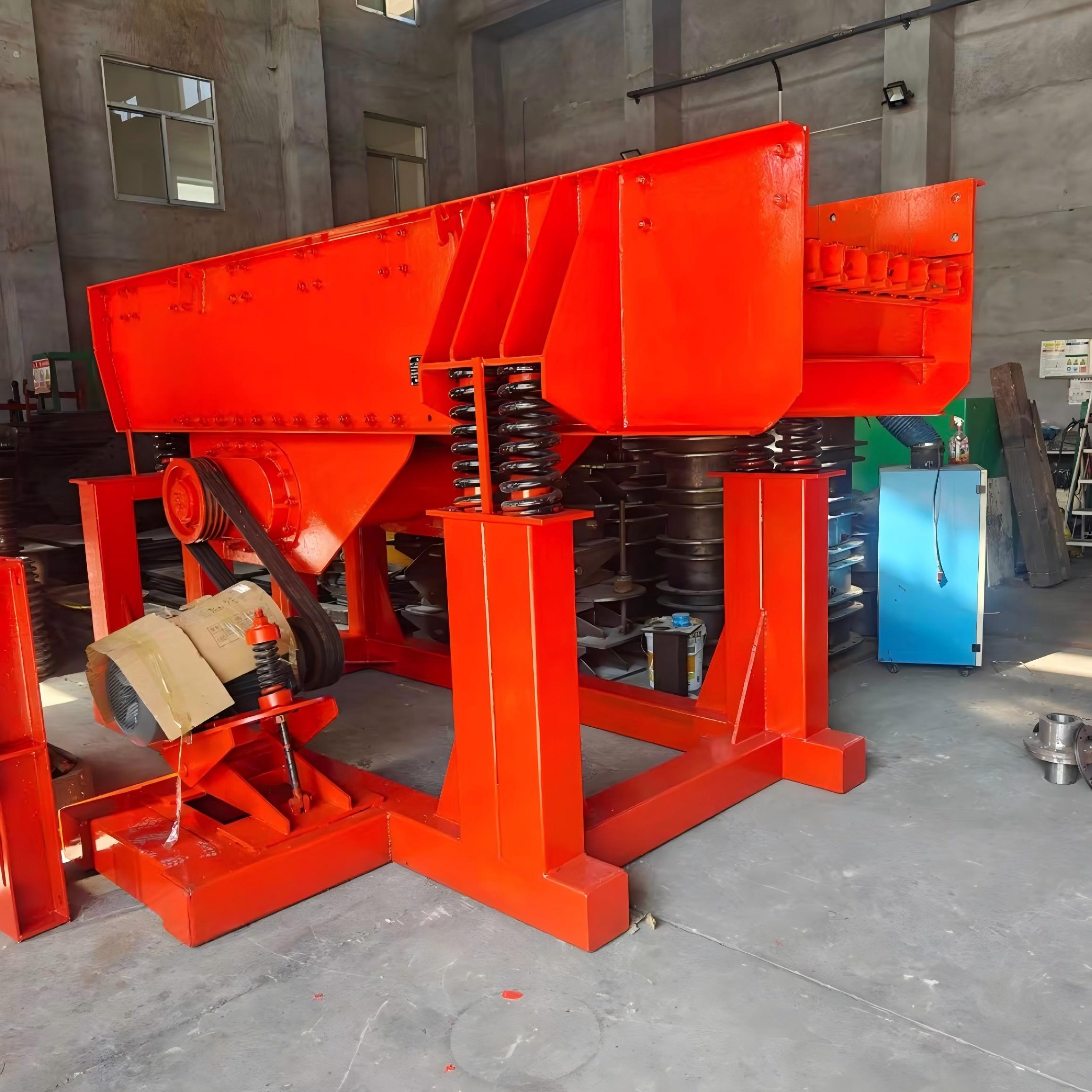 |  | 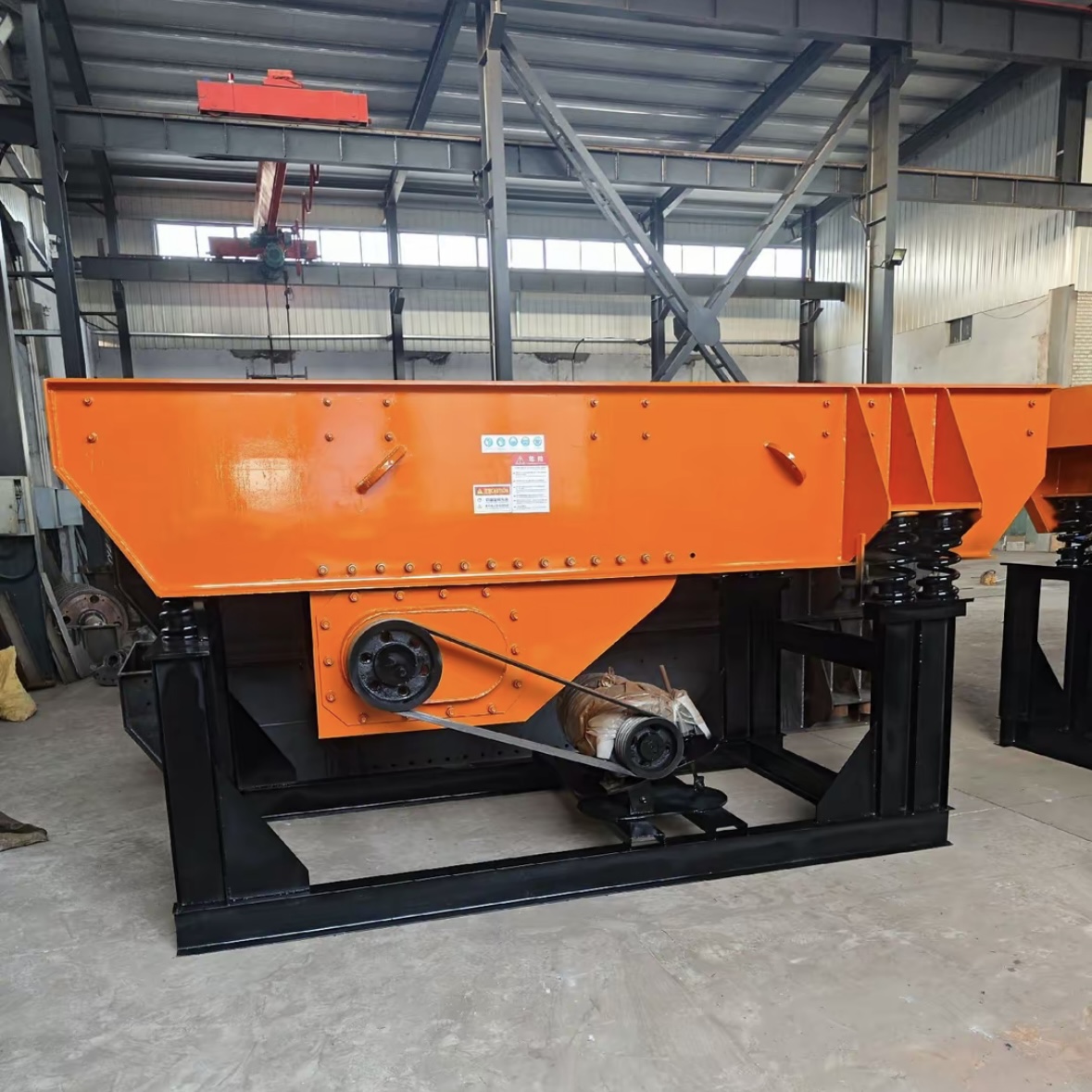 |
Compact and Lightweight Structure for Space Optimization: Designed specifically for mining environments where installation space is often restricted. The streamlined architecture significantly reduces the physical footprint, minimizing the need for extensive structural modifications to existing plant layouts. This space-saving attribute accelerates the initial setup process and lowers structural support costs, making it highly suitable for both new facility constructions and existing plant upgrades.
Easy Installation & Low-Maintenance Operation: Features a simplified mechanical design with fewer wearing parts, which directly translates to reduced equipment downtime. Routine maintenance is straightforward and requires less specialized labor or complex tooling. For procurement teams, this means significantly lower long-term operational costs and a higher return on investment over the equipment's lifecycle.
High Efficiency & Large Feeding Capacity: Engineered to handle the demanding workloads typical of mineral processing. It delivers a consistent, high-volume material flow that prevents bottlenecks in downstream crushing or screening stages. This steady, reliable supply ensures that the entire production line operates at its designed capacity, maximizing overall daily processing output.
Low Noise Operation for Improved Work Environments: Mining operations must adhere to strict occupational health and safety regulations. The vibration mechanism is designed to minimize acoustic emissions during continuous operation. Lower noise levels protect on-site personnel, improve the overall working environment, and help facilities comply with stringent environmental and workplace safety standards.
Energy Efficient Performance with High Power Factor: Electricity consumption is a major ongoing expense in large-scale mining operations. This feeder is optimized for reduced power draw while maintaining a high power factor. By converting electrical energy into mechanical vibration more effectively, it lowers daily utility expenses and supports more sustainable, cost-effective operational practices.
Stepless Adjustable Feed Rate for Precise Control: Operators can easily fine-tune the material flow quantity by adjusting the eccentric block. This stepless control allows the equipment to adapt quickly to variations in ore density, moisture content, or specific production requirements. Precise feeding prevents downstream equipment overloads and material starvation, ensuring stable and continuous processing conditions.
The technical data sheet below outlines the detailed specifications for five models of our industrial vibratory feeders, ranging from the ZSW380*96 to the ZSW-600*130. These parameters are provided to assist mining engineers and procurement teams in accurate equipment selection. Critical metrics such as Feed Trough Size, Max Feed Size, and Capacity (t/h) directly influence the material flow rate and the operational efficiency of downstream primary crushers. Please review the eccentric shaft speed, motor power, equipment weight, and overall dimensions to ensure the selected model meets your site's specific installation space and processing volume requirements.
| Vibratory Feeder | |||||||
| Model | Feed Trough Size(mm) | Max Feed Size(mm) | Eccentric Shaft Speed(r/min) | Capacity (t/h) | Power(kw) | Weight(t) | Dimension(mm) |
| ZSW380*96 | 3800*960 | <500 | 500-714 | 90-100 | 11 | 3.98 | 3882*2224*2121 |
| SW-490*96 | 4900*960 | 15000 | 500-800 | 120-240 | 15 | 5 | 4957*2277*2150 |
| ZSW-490*110 | 4900*1100 | <580 | 500-800 | 120-280 | 15 | 5.32 | 4957*2400*2150 |
| ZSW-590*110 | 5900*1100 | <600 | 75 | 350 | 22 | 6.13 | 6000*2500*215 |
| ZSW-600*130 | 6000*1300 | <750 | 400-800 | 400-560 | 22 | 7.8 | 6082*2580*2083 |
| The technical parameters provided are for reference only. Final product performance shall be subject to the official technical specifications. | |||||||
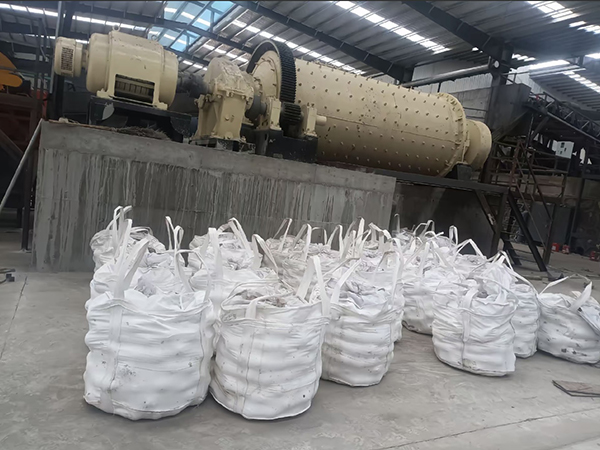
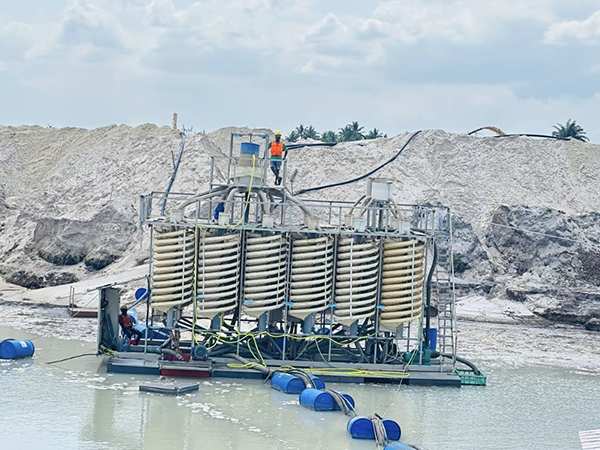
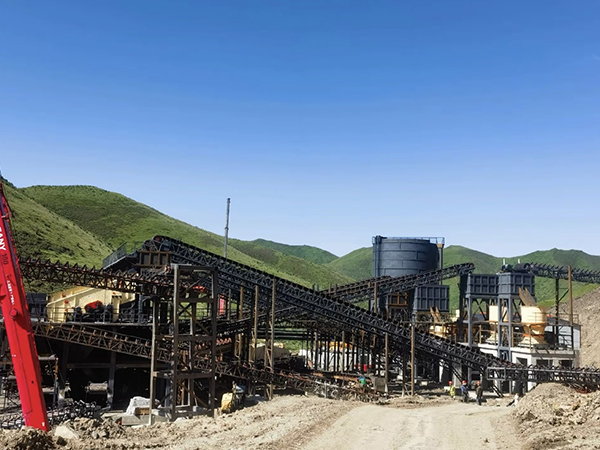
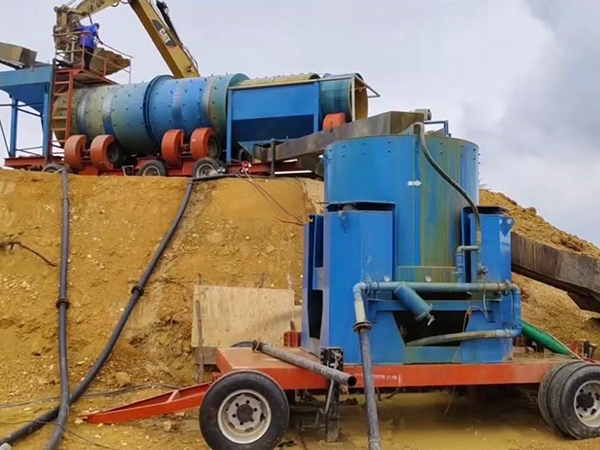
Our industrial vibratory feeders have been successfully deployed in numerous mining projects worldwide, demonstrating reliable performance and adaptability across diverse operational environments. From heavy-duty primary feeding in rock gold mines to precise material control in lithium and copper oxide processing plants, these real-world applications highlight the equipment's capacity to handle various ore types efficiently under continuous operation.
By partnering with global mining operations across Africa, South America, Asia, and Europe, we provide robust feeding solutions designed to optimize downstream processing, reduce downtime, and ensure long-term stability. The following 13 global cases illustrate how our vibratory feeding equipment supports different mineral processing facilities, helping procurement teams lower equipment selection risks through proven field performance.
|
Rock Gold Mine - South Sudan |
Placer Gold Mines - Zimbabwe |
Chromite - South Africa |
|
Alluvial Chrome Ore - Zimbabwe |
Alluvial Tin Mines - Bolivia |
Rock Tin Mines - Indonesia |
|
Copper Oxide - Russia |
Tantalum Niobium Ore - Nigeria |
Lithium Mines - Brazil |
|
Kaolin Mine - Uganda |
Lead Zinc Mine - Morocco |
Manganese Ore - Kenya |
Hematite - South America |
Q: What types of industrial feeders do you provide for mining and construction?
A: We manufacture and supply a comprehensive range of material handling equipment, including vibrating, grizzly, electromagnetic, trough, and apron feeders. Each specific type is engineered to meet distinct operational requirements across mining, aggregate processing, and heavy industrial applications, ensuring you find the exact equipment match for your facility's feeding needs.
Q: What types of bulk materials are suitable for this vibratory feeder?
A: This industrial vibratory feeder is highly versatile and designed to handle a wide spectrum of bulk and granular materials. It is particularly effective for processing mineral ores, coal, construction aggregates, concrete, artificial sand, and quartz sand. The equipment ensures a smooth, continuous, and uniform feeding process, which helps prevent material blockages and optimizes downstream production lines.
Q: Is it possible to adjust the feeding capacity and operational speed?
A: Yes, the feeding rate is fully adjustable to match your specific processing requirements. Operators can precisely control the material flow by adjusting the vibration amplitude, frequency, or the vibration angle. This operational flexibility guarantees a consistent and stable material discharge while maximizing processing efficiency and minimizing overall energy consumption.
Advantages
 |  |  |
The Vibratory Feeder is a cutting-edge industrial feeder designed to deliver superior performance in various applications. Compared with other feeders, it offers several key advantages:
Compact and Lightweight: Space-saving design with a simple structure.
Easy Installation & Maintenance: Low operational costs and user-friendly upkeep.
High Efficiency & Large Capacity: Delivers consistent, high-volume feeding.
Low Noise Operation: Contributes to a quieter, improved working environment.
Energy Efficient: Reduced power consumption and high power factor.
Adjustable Feed Rate: Stepless, precise control over feeding quantity by adjusting the eccentric block.
Successful Cases
Rock Gold Mine - South Sudan |
Placer Gold Mines - Zimbabwe |
Chromite - South Africa |
Alluvial Chrome Ore - Zimbabwe |
Alluvial Tin Mines - Bolivia |
Rock Tin Mines - Indonesia |
Copper Oxide - Russia |
Tantalum Niobium Ore - Nigeria |
Lithium Mines - Brazil |
Kaolin Mine - Uganda |
Lead Zinc Mine - Morocco |
Manganese Ore - Kenya |
Hematite - South America |