| Quantity: | |
|---|---|
The PCZ Hammer Crusher operates on a highly efficient kinetic impact mechanism, specifically engineered for processing limestone and similar materials. By converting rotational energy into direct impact force, the equipment ensures a continuous and streamlined size reduction process. The embedded video above provides a comprehensive visual demonstration of the internal mechanical movements and the precise material trajectory during operation.
At the core of the crushing mechanism lies the heavy-duty rotor assembly. Powered by a robust electric motor, the main shaft drives the rotor to spin at exceptionally high speeds within the enclosed crushing chamber. As the rotor accelerates, the heavy hammer heads—attached to the rotor via suspension pins—extend outward due to centrifugal force. This rapid rotation accumulates substantial kinetic energy, preparing the crushing chamber for the incoming feed.
Once the raw material enters the crushing chamber from the feed opening, it falls directly into the path of the high-speed rotating hammers. The initial size reduction occurs instantaneously. The hammer heads strike the falling rocks with immense force, causing them to shatter primarily along their natural fissures and fault lines. This direct, high-velocity impact is the primary phase of the crushing cycle, drastically reducing the volume of the incoming material in fractions of a second.
The size reduction process extends beyond the initial hammer strike. Upon impact, the fragmented pieces are violently propelled outward at high speeds, colliding with the heavy-duty impact plates and liners installed on the interior walls of the crushing chamber. This secondary collision further fractures the material. The rocks then rebound off the liners back into the hammer path, creating a continuous cycle of striking and impacting. As the material moves downward through the chamber, it undergoes intense shearing and grinding forces between the spinning hammers and the stationary crushing plates, which helps in shaping the final particles.
The final and crucial stage of the operation involves the screen plate situated at the lower section of the rotor assembly. This component is responsible for controlling the final discharge size. As the crushed material reaches the bottom of the chamber, particles that are smaller than the specific apertures of the screen hole pass through seamlessly and are discharged from the machine. Conversely, any oversized materials that cannot pass through the screen plate are retained inside the chamber. These larger fragments are continuously subjected to further striking, shearing, and grinding by the rotating hammers until they are sufficiently reduced to pass through the screen apertures. This built-in screening mechanism ensures a consistent output size.
The PCZ Hammer Crusher for limestone crushing is engineered to deliver exceptional economic benefits and operational efficiency for your production line. By focusing on practical performance and long-term reliability, this equipment is designed to meet the rigorous demands of modern quarrying and mining operations. Investing in this crusher means optimizing your processing workflow, reducing overhead costs, and maximizing your overall return on investment.
 | 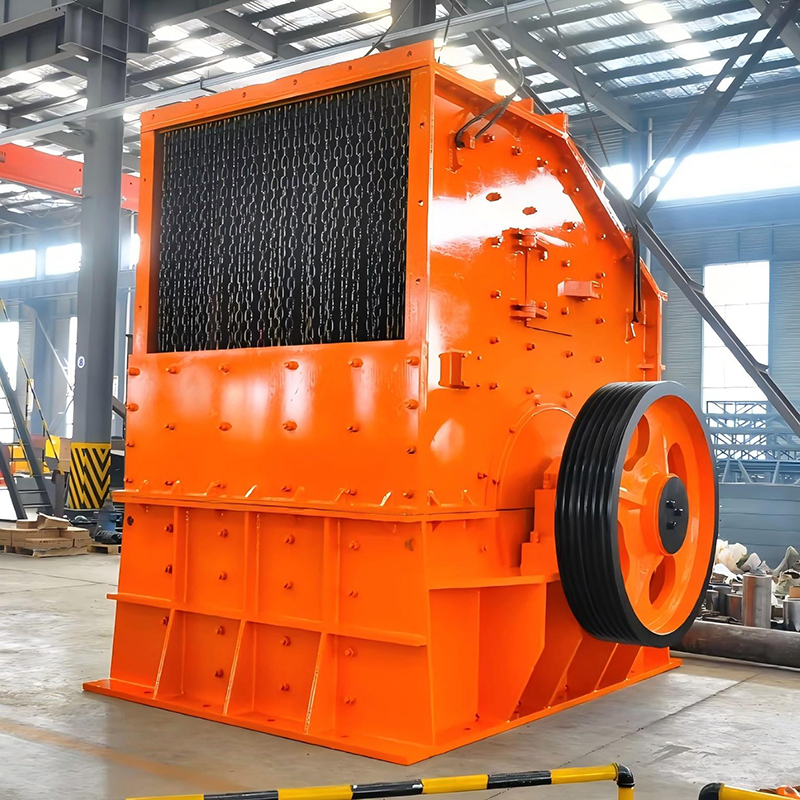 |  |
Simple structure, compact size, light weight;
High efficient, high crushing ratio, Finished product small and uniform;
Easy maintenance and reliable operation.
One of the primary advantages of the PCZ Hammer Crusher is its highly effective structural design. The compact footprint and relatively light weight of the equipment offer immediate benefits during the initial setup phase. Facility managers and procurement teams will appreciate that this streamlined architecture significantly reduces transportation expenses and simplifies the installation process. A smaller physical footprint means it can be easily integrated into existing crushing circuits or confined processing plants without requiring extensive site modifications. Furthermore, the lighter weight reduces the need for massive, expensive concrete foundations, minimizing the initial capital expenditure and accelerating the project deployment timeline.
When processing limestone, production efficiency directly impacts overall profitability. This hammer crusher boasts a remarkably high crushing ratio, allowing it to process large feed materials into the desired final size in a single pass. By effectively combining primary and secondary crushing stages into one machine, operations can eliminate the need for additional crushing equipment. This consolidation saves significantly on equipment procurement, conveyor belt setups, and daily energy consumption. Moreover, the finished product is characterized by its small, uniform particle size and excellent cubic shape, with minimal over-crushing. This consistent output quality is highly valued in the aggregate markets, allowing producers to command better prices and meet strict industry standards for concrete and asphalt applications.
Long-term operational stability is crucial for maintaining a profitable crushing plant. The PCZ Hammer Crusher is built for reliable operation under continuous, heavy-duty working conditions. Its simplified internal mechanics ensure that there are fewer moving parts prone to wear and tear, which directly translates to a lower overall failure rate. When routine servicing is required, the user-friendly maintenance design allows operators to quickly access the crushing cavity, inspect internal components, and replace wear parts with minimal hassle. By reducing the frequency and duration of maintenance stops, this crusher ensures maximum equipment uptime, lowers manual labor costs, and keeps your production targets consistently on track.
In summary, the PCZ Hammer Crusher provides a balanced combination of space-saving design, powerful size reduction capabilities, and dependable performance. It serves as a strategic choice for mining and construction operations looking to streamline their limestone crushing processes while maintaining strict control over operational costs and maximizing final product value.
Hammer Crusher | ||||||||
Model | Rotation Speed | Feeding Size | Max Feeding Size | Discharge Size | Capacity | Power | Weight | Dimensions |
r/min | (mm) | (mm) | (mm) | (t/h) | (kw) | (t) | (mm) | |
PC400×400 | 1500 | 145×450 | 100 | 0-30 | 5-8 | 7.5 | 0.9 | 844×942×878 |
PC600×400 | 1000 | 295×450 | 100 | 0-35 | 10-12 | 18.5 | 1.03 | 1054×972×1117 |
PC600×600 | 1000 | 295×570 | 100 | 0-35 | 12-18 | 45 | 2.14 | 1315×840×1501 |
PC800×600 | 1000 | 350×570 | 120 | 0-45 | 20-25 | 55 | 2.45 | 1515×2586×1040 |
PC800×800 | 1000 | 350×850 | 120 | 0-45 | 35-45 | 55 | 3.05 | 1515×2831×1040 |
PC1000×800 | 1000 | 580×850 | 200 | 0-45 | 25-40 | 110 | 6.5 | 3206×2210×1515 |
PC1000×1000 | 1000 | 580×1060 | 200 | 0-45 | 40-80 | 132 | 7.59 | 3514×2230×1515 |
PC1250×800 | 750 | 650×850 | 200 | 0-45 | 20-50 | 132 | 11.7 | 2630×1780×2050 |
PC1250×1250 | 750 | 650×1330 | 200 | 0-45 | 90-110 | 185 | 13.2 | 2630×2180×2050 |
PC1400×1400 | 750 | 1050×1540 | 250 | 0-45 | 120-170 | 280 | 17.2 | 2790×2800×2310 |
PC1600×1600 | 600 | 1500×1785 | 350 | 0-60 | 220-280 | 450 | 22.8 | 3350×3120×2660 |
The technical parameters provided are for reference only. Final product performance shall be subject to the official technical specifications. | ||||||||
The PCZ Hammer Crusher has earned the trust of global clients through its robust adaptability and reliable performance in diverse mineral processing projects. Our equipment has been successfully deployed across multiple continents, including Africa, South America, Asia, and Europe, adapting to various challenging geological conditions. We have extensive experience in processing a wide range of materials, effectively handling precious metals like gold, as well as industrial minerals such as chromite, tin, copper oxide, tantalum-niobium, lithium, kaolin, lead-zinc, manganese, and hematite ores. These real-world applications demonstrate our capability to provide highly efficient crushing solutions tailored to specific project requirements and mineral characteristics worldwide.
 Rock Gold Mine - South Sudan |  Alluvial Gold Mines - Zimbabwe | 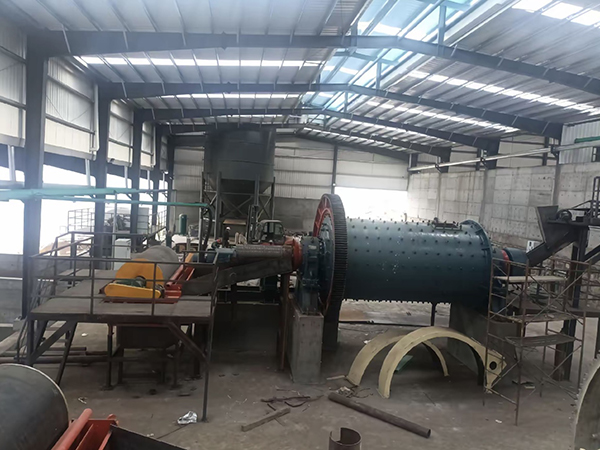 Chromite - South Africa |
 Alluvial Chrome Ore - Zimbabwe |  Alluvial Tin Mines - Bolivia | 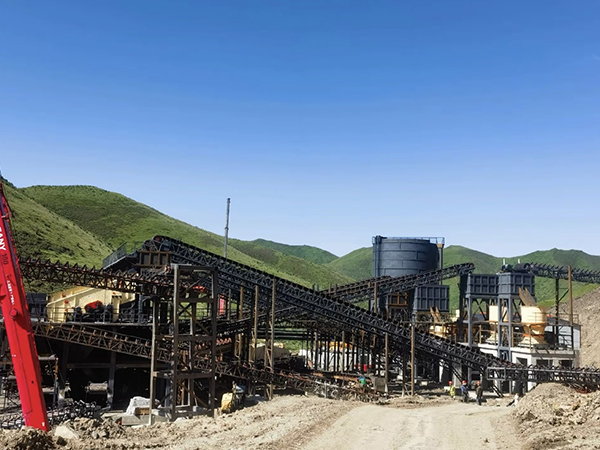 Rock Tin Mines - Indonesia |
 Copper Oxide - Russia |  Tantalum Niobium Ore - Nigeria |  Lithium Mines - Brazil |
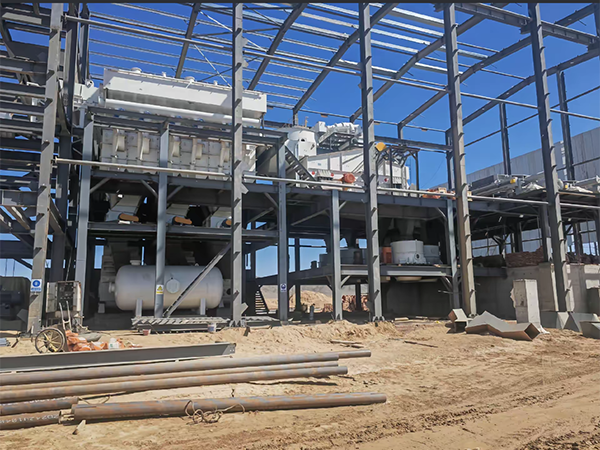 Kaolin Mine - Uganda | 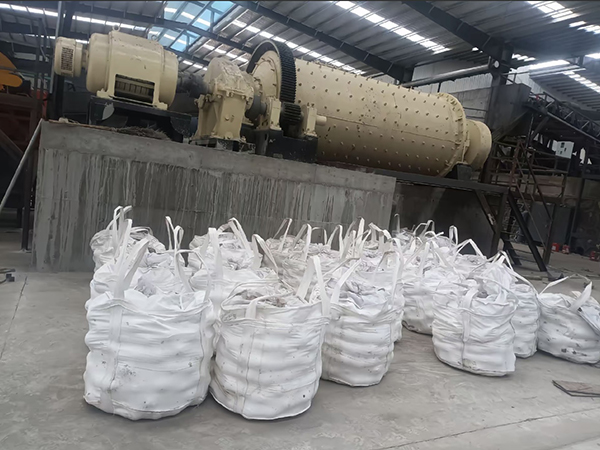 Lead Zinc Mine - Morocco |  Manganese Ore - Kenya |  Hematite - South Africa |
Q: What materials are suitable for hammer crushers?
A: PCZ hammer crushers are highly effective for processing medium-low hardness and brittle materials, such as limestone, coal, and gypsum. The impact crushing mechanism ensures a high reduction ratio for these specific materials. However, they are not recommended for hard rocks (like granite or basalt) as this will cause rapid wear on the hammer heads. Additionally, sticky substances or materials with high moisture content should be avoided to prevent clogging the discharge grate.
Q: How to extend the service life of the hammer heads?
A: To maximize the durability of your hammer heads and reduce maintenance costs, we recommend the following three practical steps:
Regular Rotation and Replacement: Rotate or flip the hammers periodically to ensure even wear, which also helps maintain rotor balance and stable operation.
Prevent Metal Contaminants: Install magnetic separators on the feeding conveyor to prevent uncrushable metal objects (like tramp iron) from entering the crushing chamber and damaging the internal components.
Select Appropriate Materials: If you are processing slightly abrasive materials, upgrade to high-chrome alloy hammers, which offer significantly better wear resistance compared to standard materials.
Q: What should I do if the hammer crusher output drops suddenly?
A: A sudden decrease in production capacity can usually be resolved by checking these four key areas:
Sieve Clogging: Inspect the discharge grate or sieve plates. Wet or sticky materials can block the gaps, restricting material discharge. Clean the grate if necessary.
Hammer Wear: Check the condition of the hammer heads. Severely worn hammers lose their impact force, leading to inefficient crushing and lower output.
Motor and Drive System: Verify that the motor is supplying sufficient power and check the V-belts for slipping or looseness, which can reduce the rotor speed.
Feed Size Control: Ensure the incoming material size strictly meets the equipment's specified requirements. Oversized feed materials take longer to crush and will significantly slow down overall throughput.
Advantages
 |  |  |
Simple structure, compact size, light weight;
High efficient, high crushing ratio, Finished product small and uniform;
Easy maintenance and reliable operation.
Successful Cases
Rock Gold Mine - South Sudan |
Alluvial Gold Mines - Zimbabwe |
Chromite - South Africa |
Alluvial Chrome Ore - Zimbabwe |
Alluvial Tin Mines - Bolivia |
Rock Tin Mines - Indonesia |
Copper Oxide - Russia |
Tantalum Niobium Ore - Nigeria |
Lithium Mines - Brazil |
Kaolin Mine - Uganda |
Lead Zinc Mine - Morocco |
Manganese Ore - Kenya |
Hematite - South Africa |