| Quantity: | |
|---|---|
The primary impact crusher operates on a highly effective mechanical principle, utilizing dynamic impact energy rather than static pressure to reduce the size of soft rock and other materials. The core operational process relies on the precise coordination of the internal rotor, plate hammers, and impact liners to achieve progressive material reduction. For a comprehensive visual understanding of this continuous crushing cycle, please refer to the operational video provided above, which demonstrates the high-speed rotor action and internal material flow in real-time.
The crushing cycle begins when the machine is activated and driven by the main electric motor. This motor forces the heavy-duty rotor to rotate at a remarkably high speed within the main crushing chamber. As the raw material is fed into the machine, it drops directly into the plate hammer action area. Here, the rapidly spinning plate hammers (also known as blow bars) strike the incoming material with tremendous force. This initial collision shatters the larger pieces of soft rock and simultaneously imparts a massive amount of kinetic energy to the fragments, propelling them forward at high velocity. The impact force causes the rock to fracture along its natural cleavage planes and structural weaknesses.
Once the material is thrown by the plate hammers, it is directed toward the counterattack device located at the top and sides of the crushing chamber. The material violently collides with these heavy-duty counterattack liners, causing further fragmentation upon impact. Following this collision, the shattered rock bounces back from the counterattack liner, falling directly into the rotational path of the plate hammers once again. This continuous cycle of striking, throwing, impacting, and rebounding forms the fundamental crushing action of the equipment, ensuring that the material is subjected to multiple high-energy impacts within a fraction of a second.
To ensure thorough size reduction, the internal structure of the equipment is designed with multiple distinct crushing zones. The material enters the first, second, and third impact chambers in turn for repeated crushing. In the first chamber, the largest rocks receive the initial breakdown. As the material moves into the second and third impact chambers, the clearance between the rotor and the impact plates becomes progressively tighter. This multi-stage repeated crushing process continues relentlessly until the material is reduced to the required dimensions. The transition between chambers ensures that oversized particles are continuously re-engaged by the rotor.
Once the soft rock has been crushed to the appropriate specification, it passes through the lower section of the machine and is discharged from the discharge port. A critical feature of this mechanical design is the ability to control the final output parameters. By adjusting the gap between the counterattack frame and the rotor, operators can directly influence the crushing intensity and the maximum size of the discharged particles. This gap adjustment is the primary method for changing the final granularity and ensuring the output material maintains a uniform, cubical shape suitable for subsequent processing stages. Proper calibration of this gap allows the equipment to adapt to varying feed materials and specific project requirements.
 |  | 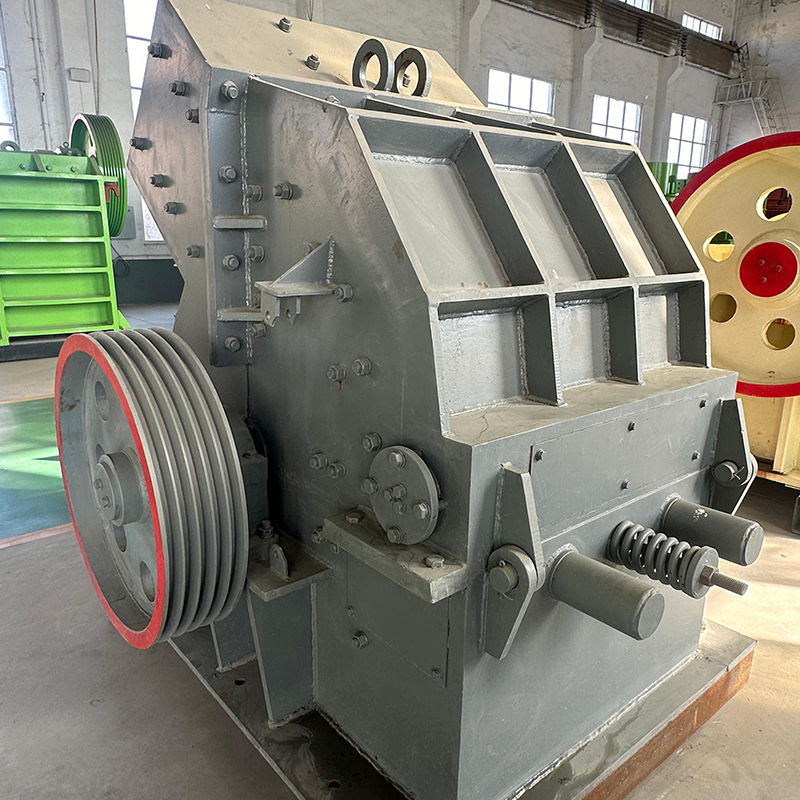 |
Designed specifically for soft rock crushing applications such as limestone, gypsum, and coal, this primary impact crusher delivers exceptional throughput while minimizing power consumption. The optimized crushing chamber geometry and advanced rotor dynamics ensure that a higher percentage of the input material is effectively reduced in a single pass. By maximizing the crushing ratio, facilities can often reduce the load on secondary crushing stages or eliminate them entirely. For aggregate producers and mining operations, this high-efficiency performance translates directly to lower energy costs per ton, optimized production workflows, and an improved overall return on investment.
The equipment features an advanced, heavy-duty frame design utilizing innovative seamless connection technology. This structural enhancement significantly improves the machine's overall rigidity and its resistance to the intense, continuous vibrations generated during the crushing process. By eliminating structural weak points and ensuring a tighter seal across the machine body, the design not only maintains consistent alignment of critical internal components but also helps in containing dust and reducing noise emissions. This ensures long-term operational stability and creates a safer, cleaner working environment for on-site personnel.
Wear parts are a critical factor in calculating the total cost of ownership for crushing equipment. To address this, the crusher is equipped with premium high-chromium blow bars and uniquely engineered impact liner plates. The advanced high-chromium metallurgy provides superior abrasion and impact resistance, specifically tailored to withstand continuous material impact. Furthermore, the unique impact liner design allows for precise adjustments to the discharge gap, maximizing the utilization rate of the blow bars before replacement is necessary. This durable configuration significantly extends the lifespan of the crushing chamber components, reducing operational downtime and lowering the ongoing cost of spare parts.
One of the most significant procurement advantages of this impact crusher is its ability to consistently produce premium-grade, cubic-shaped aggregates. Unlike compression crushers that may produce flat or elongated pieces, the impact crushing action breaks the rock along its natural cleavage planes. This results in a highly uniform particle shape with minimal flaky content. These high-quality aggregates offer superior interlocking properties, which are strictly required for high-strength concrete mixing, asphalt production, and critical highway construction projects. By producing materials that meet stringent industry standards, operators can command better market prices and expand their application range.
Minimizing equipment downtime is essential for maintaining profitable production schedules. This impact crusher is engineered with user-friendly maintenance access, featuring a design that allows operators to quickly and safely inspect the rotor, blow bars, and impact plates. The streamlined internal structure simplifies routine servicing, clearing blockages, and replacing wear parts without requiring extensive specialized tools. Combined with its robust build quality, the machine delivers reliable, continuous operation under heavy loads. This focus on maintainability ensures that daily operations remain uninterrupted, helping procurement and site managers consistently meet their project deadlines and production targets.
The following technical specifications detail the performance capabilities of our primary impact crushers, ranging from the PF1010 to the PF1320 models. When selecting the appropriate equipment for your soft rock crushing operations, please evaluate critical factors such as maximum feeding size, required processing capacity (tph), and power consumption. These parameters are provided to help you match the crusher's specifications with your specific project demands, ensuring proper equipment sizing and operational stability.
Impact Crusher | ||||||
Model | Rotor Specifications | Feeding Size(mm) | Max Feeding Size (mm) | Capacity (tph) | Power(kw) | Weight(t) |
PF1010 | Φ1000×1050 | 400×1080 | 300 | 50-90 | 55-75 | 14 |
PF1210 | Φ1250×1050 | 400×1080 | 300 | 70-130 | 110-132 | 17 |
PF1214 | Φ1250×1400 | 400×1430 | 300 | 90-180 | 132-160 | 22 |
PF1315 | Φ1320×1500 | 860×1520 | 350 | 120-250 | 180-260 | 26 |
PF1320 | Φ1320×2000 | 860×2030 | 500 | 160-350 | 300-375 | 30 |
The technical parameters provided are for reference only. Final product performance shall be subject to the official technical specifications based on specific working conditions. | ||||||
With a strong global footprint, our primary impact crushers have been successfully deployed in diverse mining projects across Africa, South America, Asia, and Europe. Designed for processing various soft rocks and ores, our equipment delivers reliable and efficient crushing performance for materials including rock gold, alluvial gold, chromite, tin, copper oxide, and lithium ores. Explore our proven project cases below to see how our crushing solutions support stable mining operations and help clients achieve optimal processing results worldwide.
 Rock Gold Mine - South Sudan |  Alluvial Gold Mines - Zimbabwe |  Chromite - South Africa |
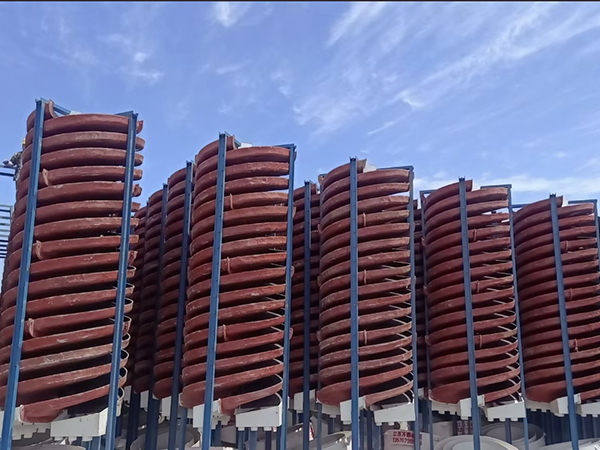 Alluvial Chrome Ore - Zimbabwe | 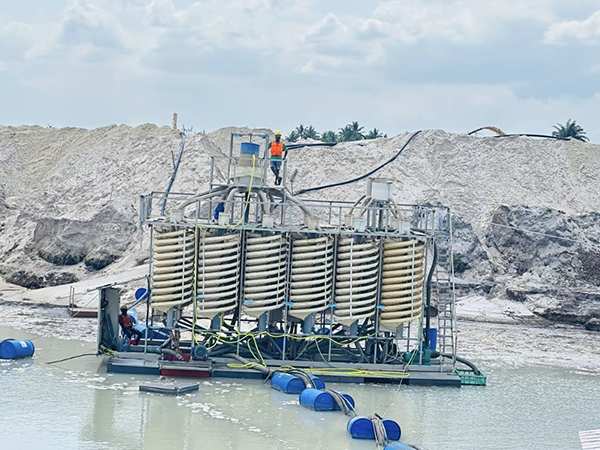 Alluvial Tin Mines - Bolivia | 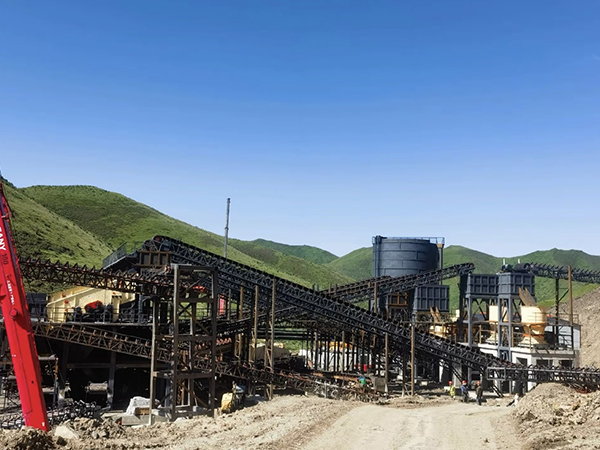 Rock Tin Mines - Indonesia |
 Copper Oxide - Russia |  Tantalum Niobium Ore - Nigeria |  Lithium Mines - Brazil |
 Kaolin Mine - Uganda | 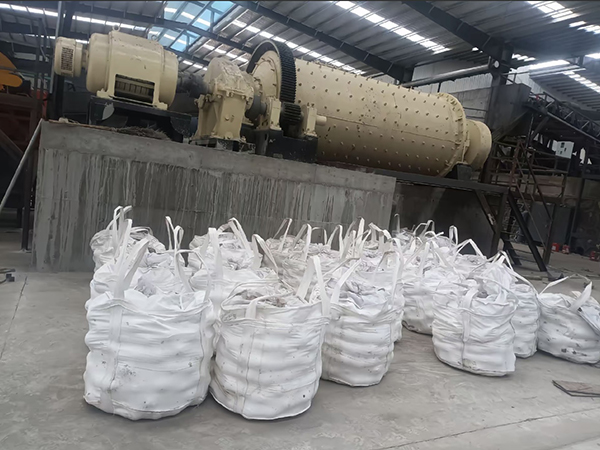 Lead Zinc Mine - Morocco |  Manganese Ore - Kenya |  Hematite - South Africa |
Q: What materials are suitable for impact crushers?
A: Impact crushers are primarily designed for processing soft to medium-hard materials, such as limestone, coal, gypsum, and recycled concrete. They are highly valued for producing an excellent cubical final product with minimal flaky particles, making them ideal for aggregate preparation. However, they are generally not recommended for processing highly abrasive or ultra-hard rocks (such as granite or basalt), as this can lead to excessive and rapid wear on the internal crushing components.
Q: How to choose primary/secondary impact crushers?
A: The choice depends entirely on your specific crushing stage and feed material requirements. Primary impact crushers feature a larger heavy-duty rotor and a more spacious crushing cavity, designed to handle large feed sizes directly from the quarry. Secondary impact crushers, on the other hand, operate at higher rotor speeds (RPM) and are engineered for finer crushing and shaping, ensuring a superior particle shape for the final commercial aggregate product.
Q: How to extend wear parts life in impact crushers?
A: To maximize the lifespan of critical components like blow bars and impact plates, and to reduce maintenance downtime, we recommend the following operational practices:
① Prevent Tramp Iron: Ensure no uncrushable metals enter the crushing chamber by installing reliable magnetic separators on the feed conveyor.
② Regular Maintenance: Inspect, rotate, or replace blow bars (hammers) periodically to maintain even wear across the rotor and sustain optimal crushing efficiency.
③ Material Matching: Select appropriate high-chrome alloy wear parts when processing materials with slightly higher abrasiveness to significantly improve overall durability and lower the cost per ton.
Advantages
 |  |  |
High Efficiency and Energy Savings.
Innovative Structure with Seamless Connection.
High Chromium Blow Bar and Unique Impact Liner Plate.
Cubic-Shaped Finished Products.
Easy Maintenance and Reliable Operation.
Successful Cases
Rock Gold Mine - South Sudan |
|
Chromite - South Africa |
Alluvial Chrome Ore - Zimbabwe |
Alluvial Tin Mines - Bolivia |
Rock Tin Mines - Indonesia |
Copper Oxide - Russia |
Tantalum Niobium Ore - Nigeria |
Lithium Mines - Brazil |
Kaolin Mine - Uganda |
Lead Zinc Mine - Morocco |
Manganese Ore - Kenya |
Hematite - South Africa |